

Endurance athletes
Runners, cyclists, swimmers and triathletes — care from clinicians who train, race and understand the log.

The training log doesn’t lie. No two breakdowns arrive the same way.
Stress injuries
A deep, building ache with volume — or a diagnosed stress reaction you’re returning from.
The recurring injury
The same calf, hamstring or knee that derails every training block.
Race on the calendar
Something hurts, the race is in eight weeks, and you need a plan that doesn’t just say “rest.”
On the bike or in the water
Knees that complain on the climb, shoulders that fade in the pool.
Coming back from time off
Post-injury, postpartum, or post-life — rebuilding volume without breaking again.
If one of these is yours, you're in the right place. If your case is different, tell us — we'll say honestly whether we're the right fit.
Find what's driving it. Treat it. Load it so it holds.
An assessment, not a template
We look at the whole picture — your training log, your history, and how you actually move under load — to find why the breakdown keeps happening. Imaging is context; the exam is the driver.
Treatment that works
Hands-on work to calm the irritated tissue — paired with strength, plyometric and loading work built around your sport, and a plan for the volume you keep, not just the volume you cut.
Education and support
You leave knowing what's driving it and how to train through or around it — a home program that comes to you, not a photocopied sheet.
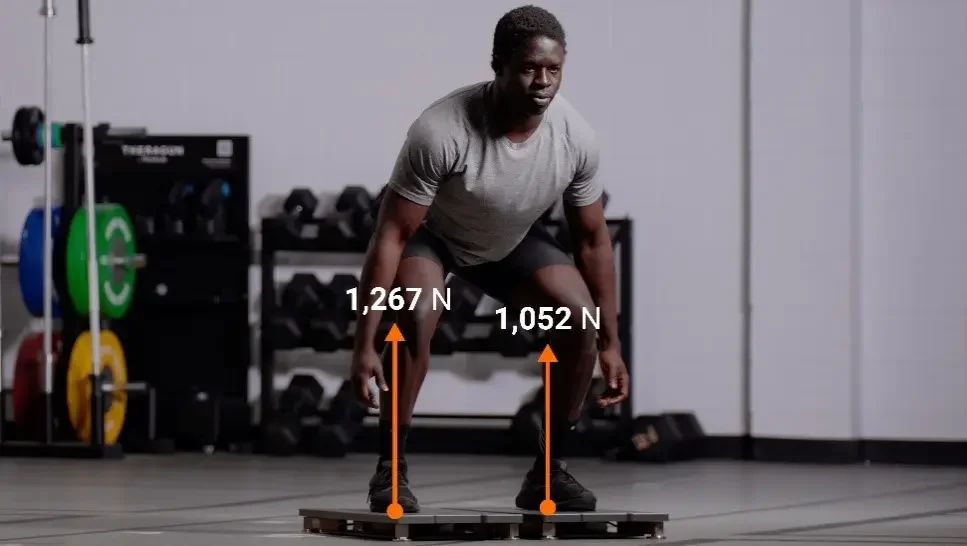
We measure where measuring helps. Force plates, dynamometry and gait analysis mean the decision to progress you — or hold you back — comes from a number rather than an impression.
How we measure →The therapists who treat endurance athletes.












“After many frustrating years of injuries and working with multiple physical therapists, I finally found Kauno — and now I'm able to walk, run and live my life without constant pain.”
Individual one-on-one support. She listens to my progress and adjusts my plan accordingly.
Sooooo grateful I found them.
What each visit will cost you — copay, deductible, out-of-network or self-pay.
A written estimate if you're paying out of pocket — per visit and for the likely course of care.
Whether your HSA, FSA or HRA dollars apply — confirmed before you book.
From the blog


Do I have to stop running?
Not by default. What’s safe to keep doing is exactly what the first visit sorts out — we examine what reproduces your symptoms and build the plan around the training you keep.
Do I need an MRI or a referral first?
No to both. California is a direct-access state, and the exam — not imaging — drives treatment. If you already have imaging, bring the report and we’ll tell you what the words actually mean for you.
How many visits does a running injury take?
Most plans of care run 6 to 12 visits — weekly at first, spaced out as you improve. You’ll have an estimate at the end of your first visit.