
How Strength & Plyometric Training Improve Running Performance
Strength and plyometric training produce powerful adaptations in the muscles, tendons, and nervous system that make running more efficient, economical, and resilient. These changes help runners generate more force with less effort—allowing you to run faster, farther, and with a lower risk of injury.
Key Adaptations from Strength Training
1. Enhanced Neuromuscular Efficiency
Strength training improves the ability of the brain and muscles to communicate. Better muscle recruitment and coordination reduce unnecessary movement and lower the energy cost of running.
2. Greater Tendon Stiffness
Stronger, stiffer tendons improve force transmission and increase elastic energy storage. This allows the body to recycle more energy with each stride, making running mechanics more efficient and economical.
3. Improved Force Application
Stronger leg muscles generate force with less effort. This reduces oxygen consumption, delays fatigue, and boosts both speed and efficiency—especially during hills, accelerations, and sprints.
4. Increased Muscular Endurance
Strength training enhances fatigue resistance in key running muscles, helping runners maintain pace, form, and efficiency over long distances.
Key Adaptations from Plyometric Training
Plyometric exercises train the body to produce force rapidly, improving reactive strength and reducing ground-contact time.
Common plyometric drills include:
Countermovement Jumps (CMJ)
Drop Jumps (DJ)
Bounding Drills
Why Plyometrics Matter
1. Improved Muscle–Tendon Stiffness
Plyometrics enhance the energy storage and recoil capacity of tendons during ground contact, reducing the energy cost of running.
2. Enhanced Neuromuscular Efficiency
These fast, explosive movements train the nervous system to activate muscles quickly and powerfully, improving stride mechanics and running economy.
3. Increased Leg Spring Stiffness (LSS)
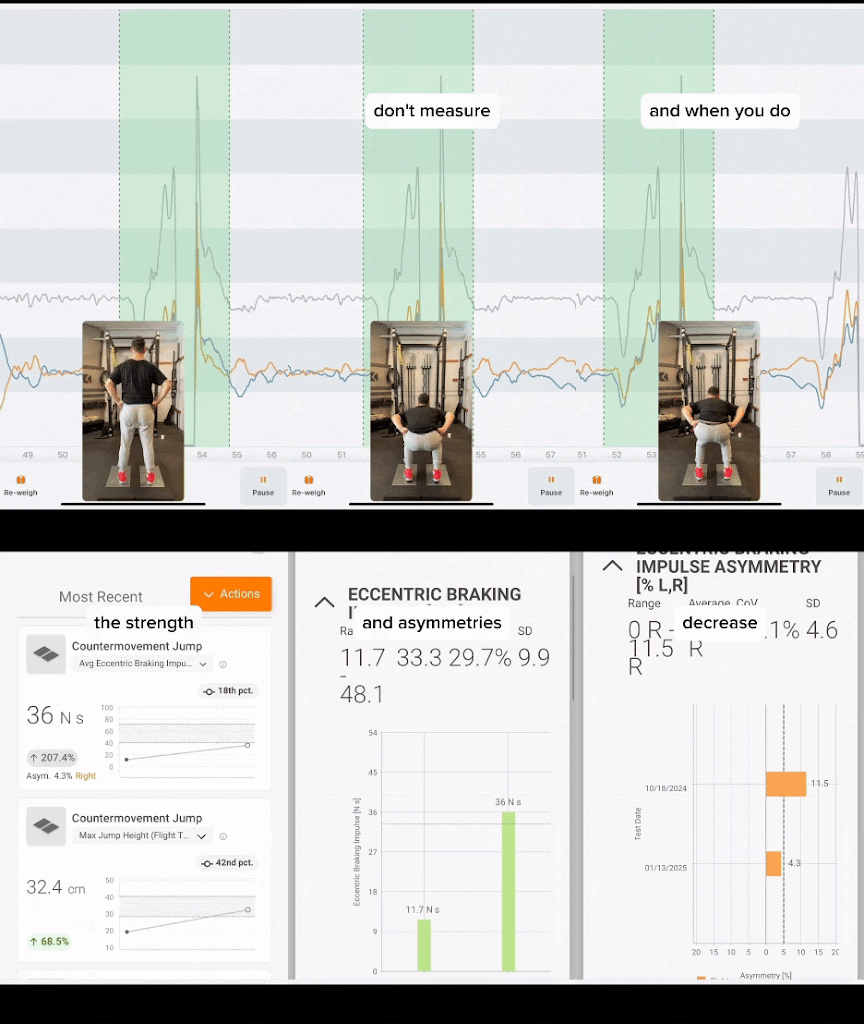
Higher LSS allows runners to maintain better posture and force output with each step, resulting in more economical running patterns.
4. Greater Explosive Power
Plyometrics improve acceleration, sprint capabilities, and hill-running performance—all essential for race surges, passing competitors, and maintaining pace late in a run.
Strength + Plyometrics = Maximum Running Performance
Research shows that combining heavy resistance training with plyometric training produces the greatest improvements in running economy, making it a crucial component of any endurance runner's program.
These adaptations increase:
Power output
Efficiency
Fatigue resistance
Tissue resilience and load capacity
Even a short, structured routine—just 15 minutes twice a week—can dramatically reduce injury risk and boost performance.
Essential Strength & Plyometric Exercises for Runners
To maximize performance, include these foundational exercises in your training program:
1. Heavy Resistance Training
Squats
Deadlifts
Lunge variations (forward, reverse, lateral)
Split squats / Bulgarian split squats
Research shows that increasing your 1-rep max (1RM) in squats improves running economy, making you a more efficient and powerful runner. Unilateral exercises help correct imbalances, improving efficiency and reducing injury risk.
2. Plyometric Training
Countermovement Jumps
Drop Jumps
Bounding
Pogos
Single-Leg Hops
Skipping Drills
These movements build explosive strength, tendon stiffness, and reactive capacity—all essential qualities for efficient running mechanics.
Need Personalized Guidance?
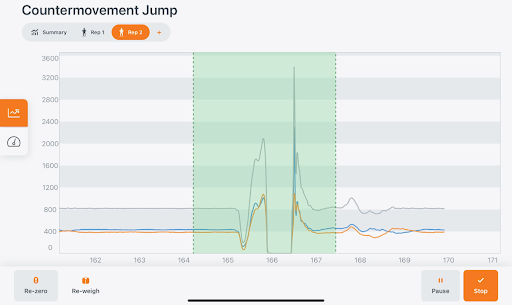
At KAUNO, we use Force Plate Technology to eliminate guesswork and provide precise, individualized data about your strength, symmetry, power output, and tissue capacity.
Our team of physical therapists and strength coaches designs data-driven training and rehab programs tailored to your unique needs—helping you train smarter, not just harder.
Take your running to the next level.
Run stronger, faster, and injury-free.
References
Dorn TW, Schache AG, Pandy MG. Muscular strategy shift in human running: dependence of running speed on hip and ankle muscle performance. J Exp Biol. 2012.
Beattie K, Carson BP, Lyons M, Kenny IC. The effect of strength training on performance indicators in distance runners. J Strength Cond Res. 2017.
