
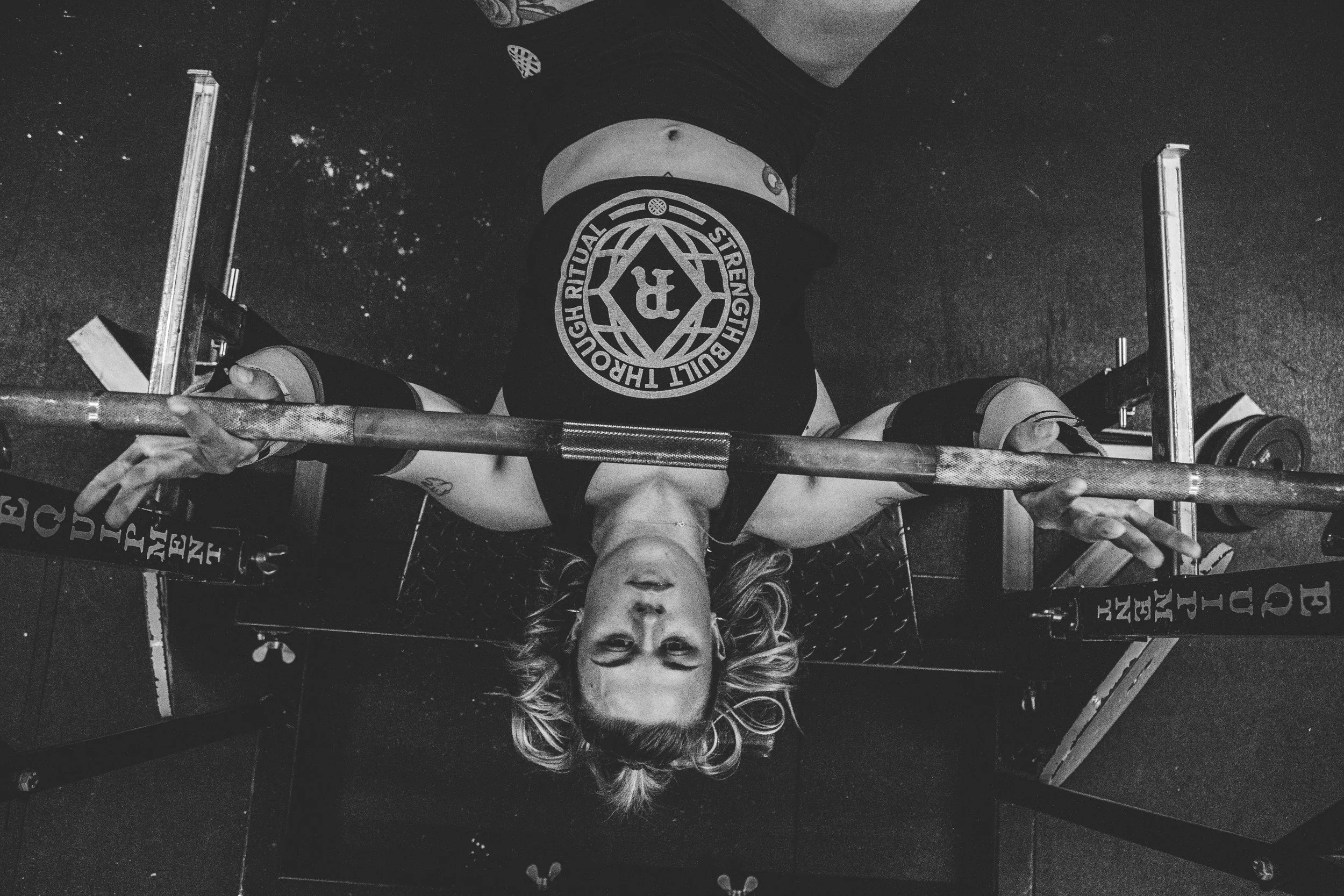
The bench press, squat and deadlift, often called "the Big Three," are essential compound lifts for building full-body strength. But without good technique, thoughtful programming and enough recovery, they can quickly become a source of pain or injury. Here are the most common mistakes lifters make and how to fix them, so you can lift smarter, get stronger and stay injury-free.
Common mistakes lifters make
Many lifters unknowingly increase their injury risk by falling into these traps:
- Poor form. Movement compensations or inefficient mechanics put unnecessary stress on joints and soft tissues.
- No coaching. Training without guidance often leads to plateaus, bad habits and increased injury risk.
- Poor programming. Without structure, it's hard to progress safely.
- Inadequate recovery. Even perfect form can't save you if you neglect recovery.
Programming mistakes to avoid
- No load management. Back-to-back heavy squat and deadlift days overload the spine and posterior chain.
- Always training to failure. Constant max-effort sets increase fatigue and reduce technical quality.
- No variation. Repeating the same movement pattern and intensity leads to overuse injuries.
Addressing these factors lets you train hard and stay pain-free.
Correct your form
If you feel discomfort during a compound lift, your first priority should be evaluating your technique. Small adjustments often create big improvements in comfort, efficiency and loading capacity.
Examples of effective form adjustments
- Squat: switch from low-bar to high-bar to reduce hip and low-back stress.
- Bench press: reduce elbow flare to decrease strain on the front of the shoulder.
- Deadlift: use a trap bar or elevate the bar on blocks or plates to improve your position and reduce lumbar loading.
Even a single change in bar placement or setup can dramatically improve how you feel under the bar.
Get coaching
If your program lacks structure or progression, poor training decisions may overload your body and increase your likelihood of injury.
Why coaching matters
A qualified coach helps you:
- Balance volume, intensity and recovery appropriately
- Avoid common pitfalls like overuse, poor progressions or excessive fatigue
- Modify your program based on injury history, mobility limitations and experience
You can schedule a free performance coaching assessment with our team.
Recover smarter
Recovery isn't just taking a rest day. It's supporting your body's ability to adapt and get stronger.
Signs you're under-recovering
- Persistent joint pain or muscle tightness
- Lingering fatigue despite rest
- Plateauing or declining performance
How to improve recovery
- Prioritize sleep. Aim for 7–9 hours of high-quality sleep to support tissue repair and nervous system recovery.
- Optimize nutrition. Get enough protein and calories to fuel training and rebuild muscle.
- Manage fatigue. Include deload weeks, vary intensity, and add mobility or active-recovery sessions.
- Respect rest days. More isn't always better. Recovery drives progress.
Addressing form, programming and recovery can dramatically reduce your injury risk while helping you build strength more effectively. Small changes today lead to bigger lifts, and fewer setbacks, tomorrow. For more on why the body gets stronger when load and rest are balanced, see Davis' law explained.
Train smart. Lift strong. Stay injury-free.
book a sessionthe takeaway
Most Big Three injuries come down to form, programming and recovery. Fix your technique first, get a structured program, and treat sleep, nutrition and rest days as part of training.
Frequently asked questions
Why do people get injured squatting, benching and deadlifting?
The most common causes are poor form, no coaching, poor programming and inadequate recovery.
How can I make squats easier on my hips and low back?
Switching from a low-bar to a high-bar squat can reduce hip and low-back stress.
How do I reduce shoulder pain when bench pressing?
Reduce elbow flare to decrease strain on the front of the shoulder.
What are signs I'm not recovering enough from lifting?
Persistent joint pain or muscle tightness, lingering fatigue despite rest, and plateauing or declining performance.
