

Some knowledge, some opinions, some rants.
Written by the therapists who treat here — on training, rehab and the things people get told that are not true.
Most people arrive having already been told three different things by three different sources. These posts are our therapists answering the questions we actually get asked — what an injury is, why it keeps coming back, what the research says, and what to do on Monday.
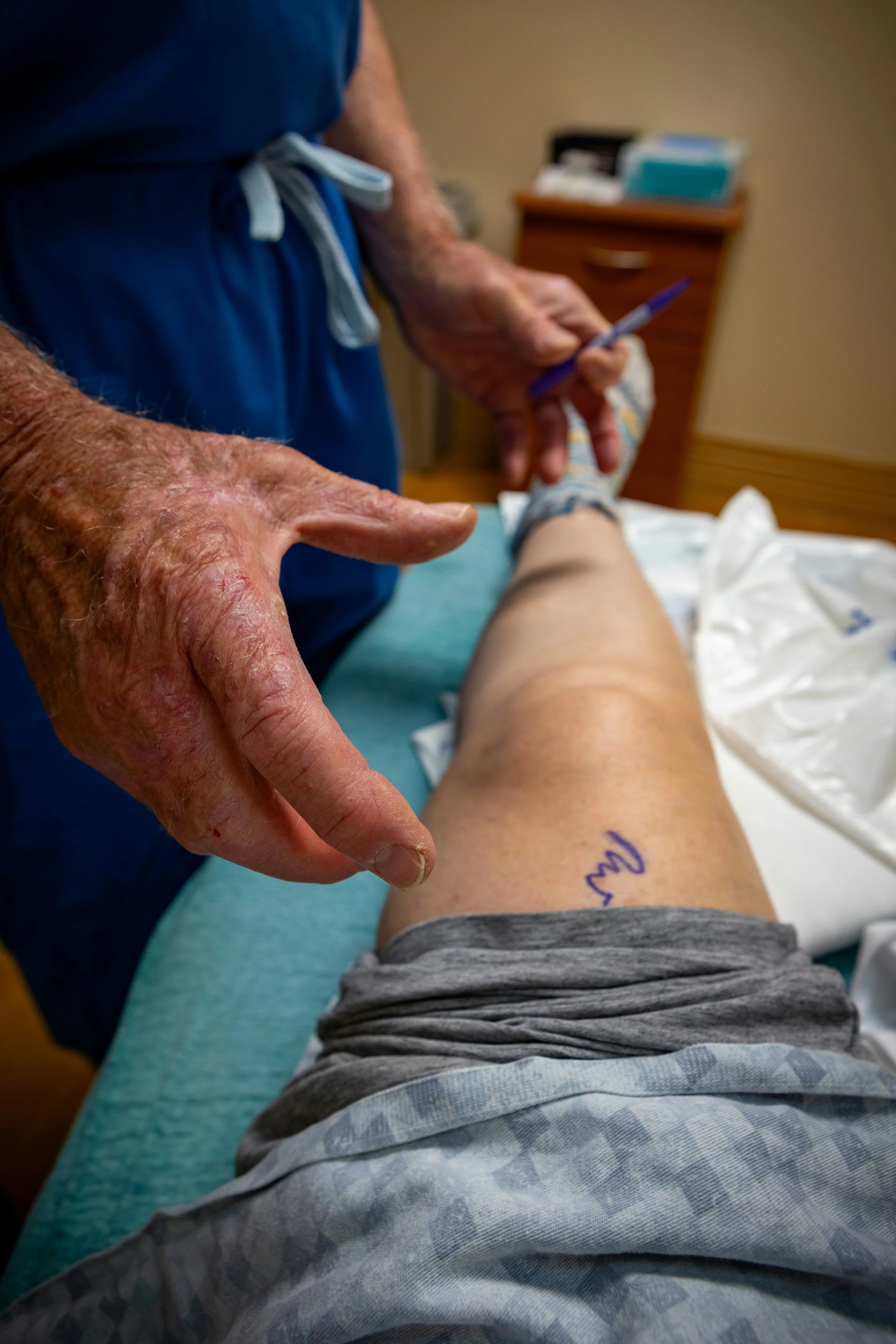
ACL Graft Options: BPTB, Hamstring & Quadriceps Compared
Torn your ACL and heading for surgery? Your surgeon will rebuild the ligament with a graft — and the type matters. This guide compares the three most common autografts — bone-patellar tendon, hamstring, and quadriceps — by failure rate, knee stability, and side effects, so you can have a more informed conversation about the right choice.

Why People With Hypermobile Joints Always Feel Like They Need to Stretch
People with hypermobile joints often feel tight and need to stretch constantly—even though flexibility isn’t the problem. Learn why this happens and what actually helps.

Bone Health for Runners: Part 2
Returning to running after a stress fracture requires gradual impact progression. Learn healing timelines and safe return-to-run strategies for runners.
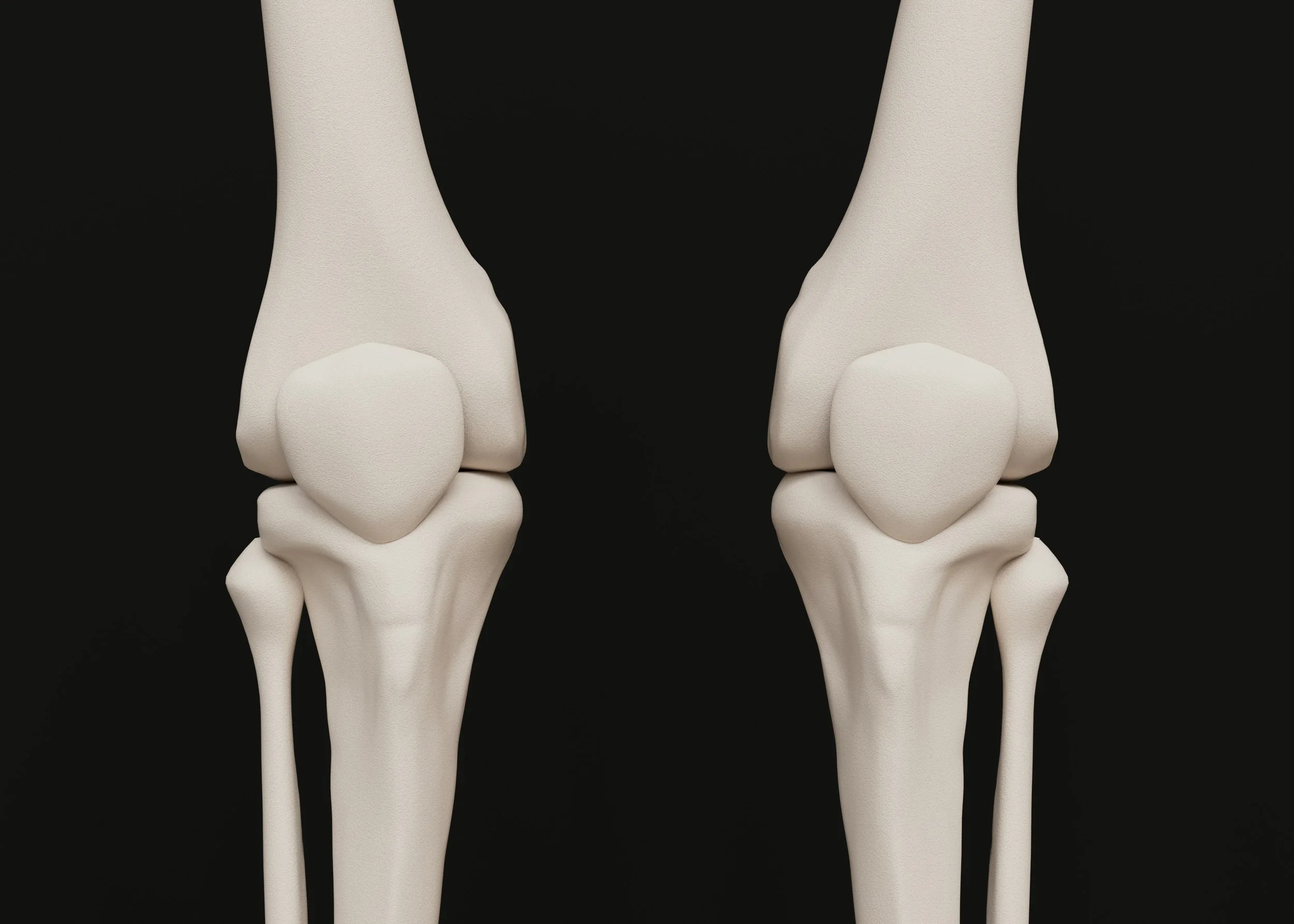
Bone Health For Runners
As your running mileage climbs with the warmer months, so does your risk of a bone stress injury. This guide explains what bone stress injuries are, why they happen, the symptoms to watch for, how they are diagnosed with MRI, and the training and recovery habits that help keep your bones strong.

Return-to-Sport Guidelines Following ACL Tears: Evidence-Based Summary
Months of rehab after ACL reconstruction, and the question is when it is safe to get back on the field. The calendar alone will not tell you. Here is why clearance should wait at least nine months, the strength, hop, psychological and stability criteria you need to meet, and the phased timeline that gets you there.

Early Sports Specialization in Youth Athletes
Youth sports have shifted from seasonal play to year-round, single-sport training. But research links early sports specialization to more overuse injuries, burnout, and — ironically — shorter athletic careers. Here's what the science says, why growing bodies are vulnerable, and the simple guidelines that keep young athletes healthier, more resilient, and in the game longer.

Shoulder Instability: Causes, Types, and Treatment Options
Shoulder instability causes pain, weakness, and dislocations. Learn the types of instability and how physical therapy helps restore control.

Benefits of Single-Leg Exercise
Single-leg exercises build strength, balance, and stability while improving real-world movement and athletic performance.

Health Insurance basics
Health insurance can be confusing, especially when you’re starting physical therapy. Learn the basics of deductibles, out-of-pocket maximums, co-pays, co-insurance, allowed amounts, and the difference between in-network and out-of-network care—so you can make informed decisions about your treatment.
Everything here is easier with someone watching.
Book with the therapist who wrote it, or any of the twelve. One-on-one, same person every visit.