

Some knowledge, some opinions, some rants.
Written by the therapists who treat here — on training, rehab and the things people get told that are not true.
Most people arrive having already been told three different things by three different sources. These posts are our therapists answering the questions we actually get asked — what an injury is, why it keeps coming back, what the research says, and what to do on Monday.

Rotator Cuff Surgery: Returning to Sport.
85% of athletes return to sport after rotator cuff repair, at about 10.5 months on average. Here’s why highly competitive athletes are less likely to get back to the same level.

Confidence in Your Rehab Team
A study of patients with chronic low back pain found that a trusting relationship with their physical therapist predicted better outcomes, whatever the treatment.

Shoulder Impingement Overview
Shoulder impingement is a catch-all term for pinching shoulder pain. Learn the two main types, what causes them, common symptoms, and how treatment depends on the stage.

What Is Chronic Pain? Understanding a Complex Condition
Chronic pain persists beyond normal healing time and can occur without ongoing tissue damage. Learn how central sensitization works and where to start with recovery.

Why the Human Body Is Not a Machine: Davis’ Law Explained
Machines wear out; humans adapt. Davis’ law explains why tissues get stronger with the right dose of physical stress, and why rest is the other half of the equation.

Should I Ice It? What the Science Says About Icing Injuries
Icing is the reflex response to injury, but inflammation is part of healing. What the research says about ice, swelling, R.I.C.E., and when ice may help with pain.

Understanding Ankle Sprains: Types, Severity, and Treatment
Ankle sprains range from mild overstretching to a full ligament rupture. Learn the three grades, what rehab should include, and how to avoid chronic ankle instability.

Fear of Reinjury: The Psychological Response to Injury
Fear, anxiety, and self-doubt are common after a sports injury and can stall rehab. Seven practical steps to manage fear of reinjury and return to sport with confidence.

Why Oversimplifying Health Topics Leads to Misunderstanding
The California coastline is 840 or 3,427 miles, depending on how you measure. Health works the same way: the more a complex topic is simplified, the less accurate it gets.
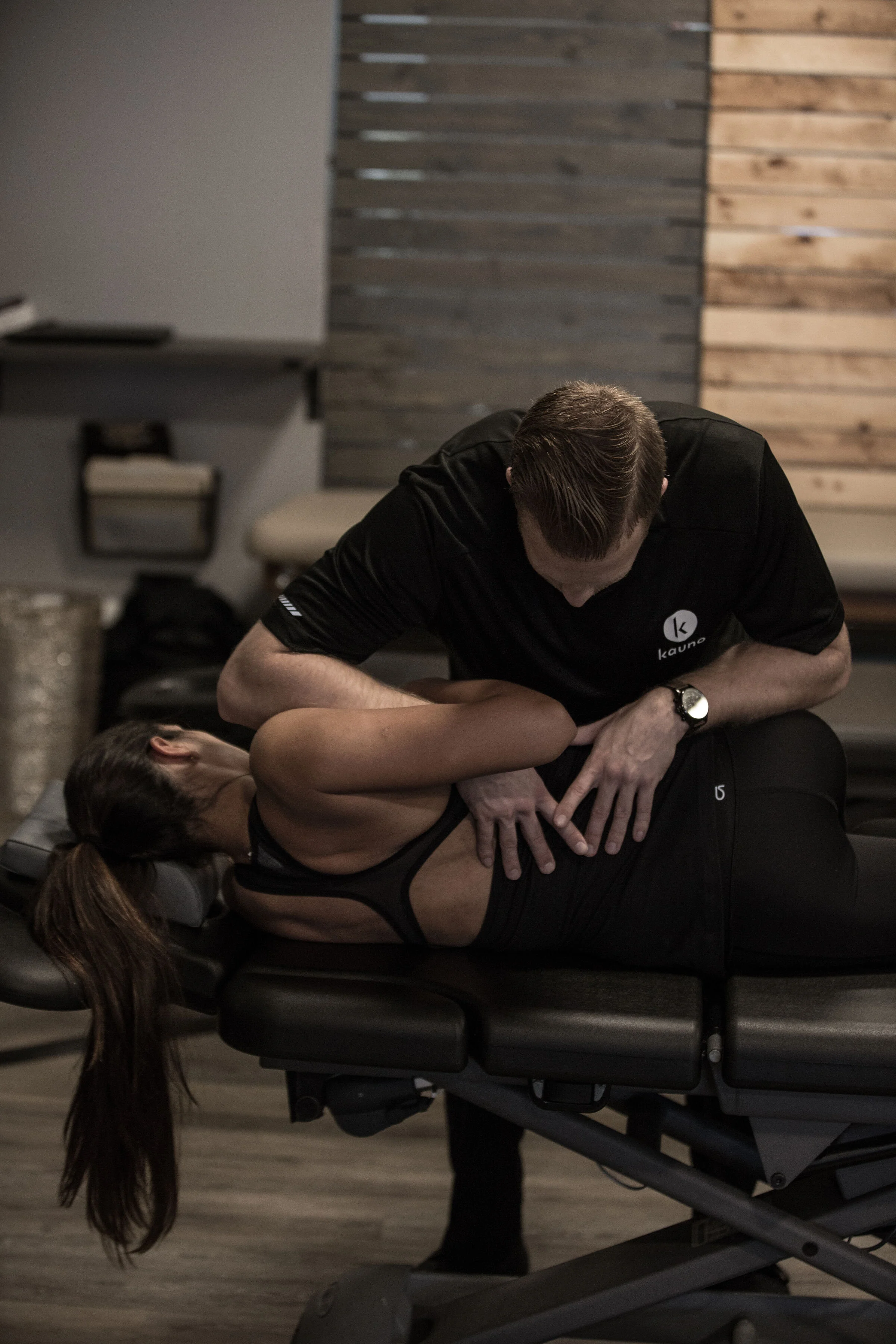
Everything here is easier with someone watching.
Book with the therapist who wrote it, or any of the twelve. One-on-one, same person every visit.