
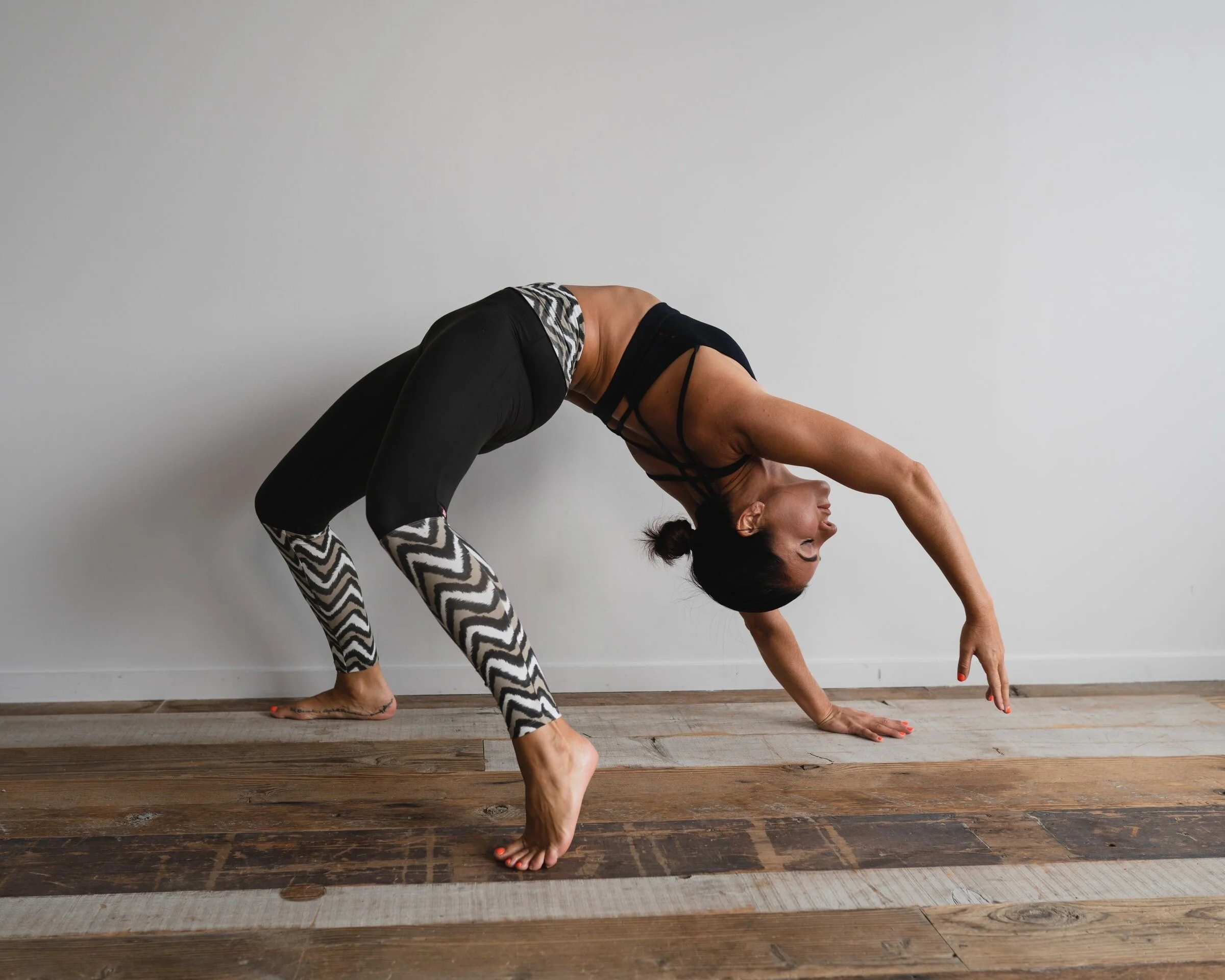
The human body is often compared to a machine, and the brain and nervous system to a computer. Those comparisons can help explain basic processes, but they're limited and sometimes harmful. We are biological organisms, and that changes how we should think about health, performance, injury, and longevity.
Machines wear out. Humans adapt.
A machine is the strongest it will ever be the day it's built. From that point on it degrades: parts weaken, materials break down, and function declines.
Humans don't work this way. There's no such thing as the body "wearing out" in the same mechanical sense. Biological organisms respond to their environment and adapt. From conception to our final years, our bodies constantly remodel in response to stressors:
- Eat more calories than you burn, and you store energy as fat.
- Lift heavy objects, and you build muscle.
- Get exposed to UV light, and you produce melanin.
This adaptive capacity decreases gradually over time, but it never disappears entirely as long as we're alive.
What is Davis' law?
Our musculoskeletal system is always being remodeled. Davis' law states that soft tissues, including muscles, tendons, ligaments, and skin, adapt to the demands placed on them. Put simply: when tissues experience stress, they get stronger. When they lack stress, they weaken.
"Stress" here means physical demand, not emotional pressure.
Davis' law in action
- Runners develop stronger Achilles tendons.
- Lifters develop denser muscles and more resilient connective tissue.
- Sedentary people lose strength, stability, and tissue tolerance.
Machines wear out when stressed. Humans adapt when stressed. That's the foundation of fitness, rehab, and performance training.
Why physical stress is essential for health
If our bodies behaved like machines, the best strategy for longevity would be to avoid stress entirely. Because we adapt, the opposite is true: to become strong, resilient, and injury-resistant, we must apply physical stress. Exercise isn't optional. It's essential.
Finding the right dose
The key is finding the appropriate dosage. Too much stress causes injury. Too little causes weakness. The right amount stimulates adaptation. Stress dosage is shaped by:
- Intensity: how hard the effort is
- Volume: the total amount of work
- Frequency: how often the stress occurs
For running, for example, that means runs per week (frequency), speed (intensity), and duration or mileage (volume). When you understand your personal capacity and control these variables, you can build strength, prevent injury, and improve performance.
Rest: the other half of the equation
Stress drives adaptation. Rest allows adaptation to happen. After an appropriate stimulus, the body responds through hormonal and neurological changes that build tissue, improve coordination, and increase resilience.
Without enough rest, adaptation stalls. Without enough stress, adaptation never begins. Success in rehab, performance training, and injury prevention requires balancing stress with recovery.
What Davis' law means for rehab and training
A basic understanding of Davis' law explains why:
- Rehab requires progressive loading.
- Injury prevention requires consistent training.
- Performance improves only when stress is applied intentionally.
- Avoiding physical stress leads to long-term weakness.
- Rest is required, but only after adequate stress.
We are not machines. We're biologically adaptable systems, and when we apply the right balance of stress and rest, we become stronger, healthier, and more resilient.
Not sure how much load your body is ready for? Our physical therapists and coaches can help you find the right dose.
book a sessionthe takeaway
Your body isn't a machine that wears out. Tissues get stronger with the right dose of physical stress, followed by enough rest to adapt.
Frequently asked questions
What is Davis' law?
Davis' law states that soft tissues, including muscles, tendons, ligaments, and skin, adapt to the demands placed on them. When tissues experience physical stress, they get stronger. When they lack stress, they weaken.
Does exercise wear out your body?
No. Unlike a machine, the body doesn't "wear out" in a mechanical sense. It adapts to physical stress by remodeling, which is why training builds strength and resilience.
How much training stress is too much?
Too much stress causes injury and too little causes weakness. The right dose depends on intensity, volume, and frequency, matched to your personal capacity.
Why is rest important for adaptation?
Stress drives adaptation, but rest allows it to happen. After an appropriate stimulus, the body builds tissue, improves coordination, and increases resilience through hormonal and neurological changes. Without enough rest, adaptation stalls.
Does the body lose its ability to adapt with age?
Adaptive capacity decreases gradually over time, but it never disappears entirely as long as we're alive.
