

Some knowledge, some opinions, some rants.
Written by the therapists who treat here — on training, rehab and the things people get told that are not true.
Most people arrive having already been told three different things by three different sources. These posts are our therapists answering the questions we actually get asked — what an injury is, why it keeps coming back, what the research says, and what to do on Monday.

The Squat vs. the Deadlift: What's the Difference?
Squats and deadlifts emphasize different movement patterns, joints and muscles. Learn how they differ and when and why to use each lift.

Lifting Weights: The Best Medicine You're Not Taking
Most people picture cardio when they think of exercise for health, but resistance training may be one of the most powerful things you can do. Why muscle and bone matter, and how to lift.

Why Core Strength and Stability Matter for Everyone
Core strength and stability support movement, balance and spine health while reducing injury risk at every activity level.

Periodization for Strength Training: A Beginner's Guide
Training smarter, not harder, builds strength. This beginner's guide explains periodization and the deload week, with a simple 3-phase, 12-week plan to follow.

Benefits of Single-Leg Exercise for Balance and Strength
Single-leg exercises build strength, balance and stability while improving real-world movement and athletic performance.

The SAID Principle: How Your Body Adapts to Training
The SAID principle explains why your body adapts specifically to how you train, and why smart, intentional training leads to better performance and fewer injuries.

Building Your Own Exercise and Rehab Program
Building your own exercise or rehab program starts with clear goals, managing reactivity and progressing intensity safely. Learn the principles to train smarter.

How to Prevent Rock Climbing Injuries
Most climbing injuries come from doing too much too soon. Six ways to protect your fingers, shoulders and elbows, from load management and strength to warm-ups and rest.

Blood Flow Restriction (BFR) Training: What You Need to Know
BFR training uses cuffs to partially restrict blood flow during exercise, building muscle and strength with light loads. Here’s how it works and who it helps.
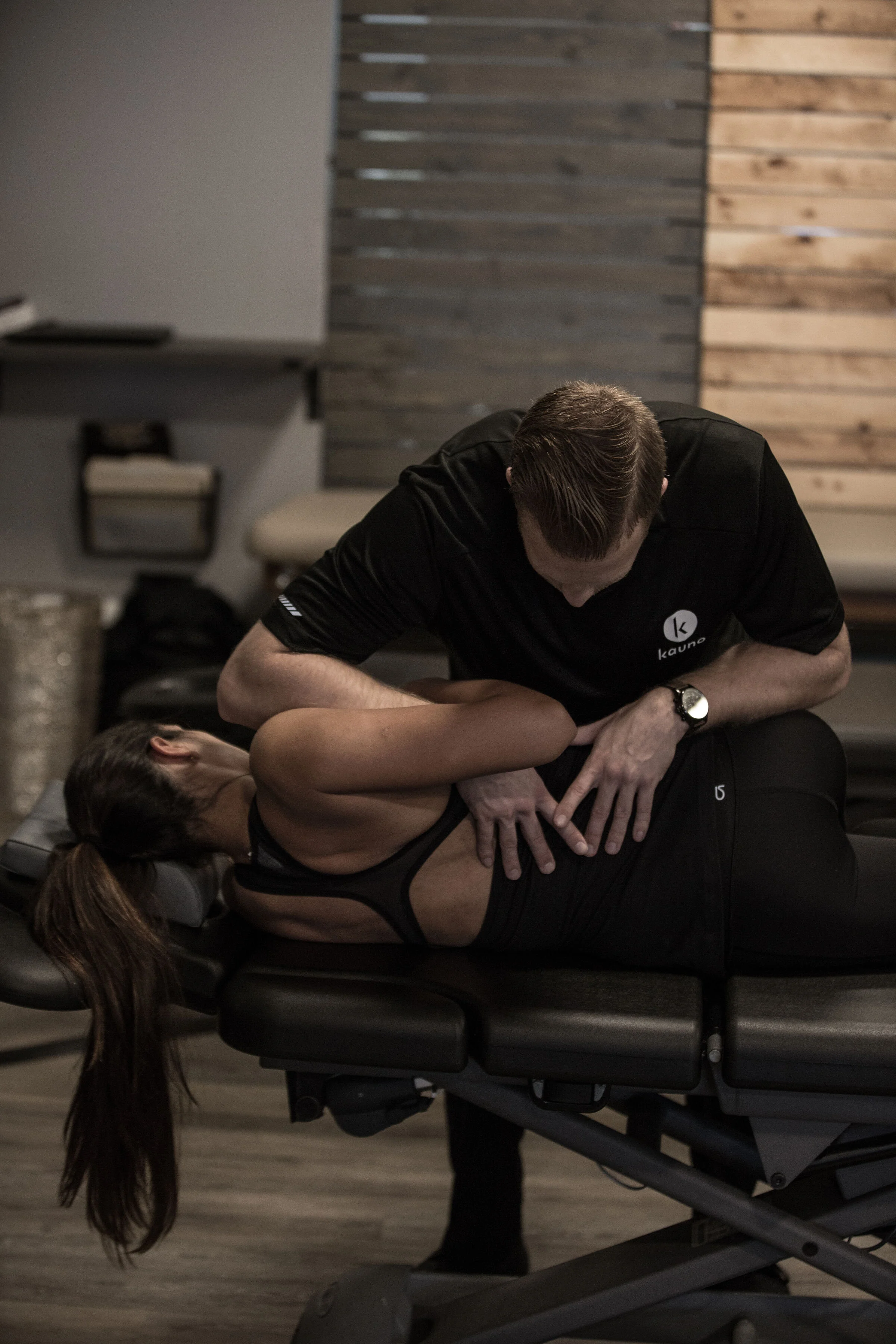
Everything here is easier with someone watching.
Book with the therapist who wrote it, or any of the twelve. One-on-one, same person every visit.