
How to Prevent Rock Climbing Injuries
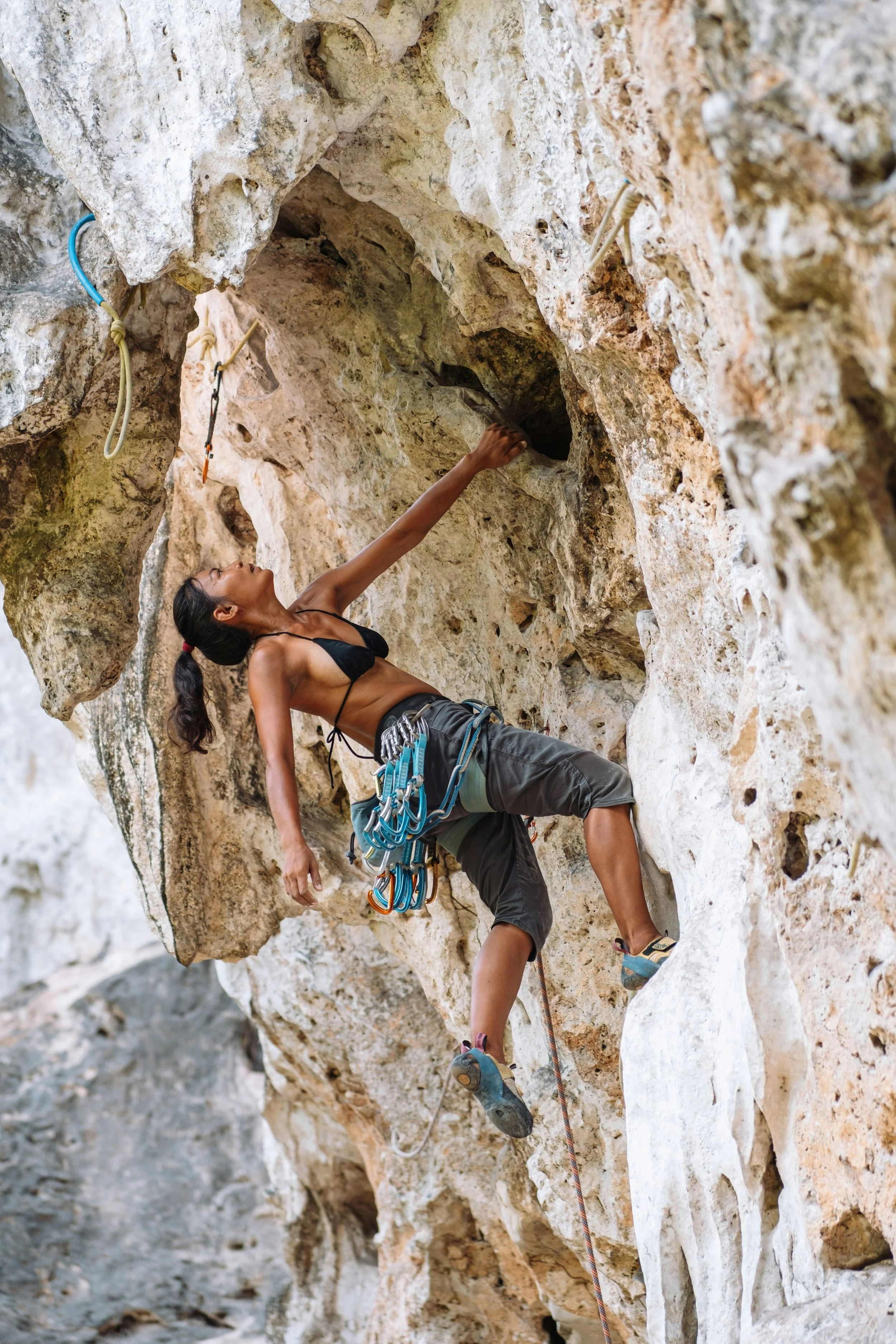
Rock climbing challenges both mind and body, and its popularity has exploded over the last decade. Its demanding physical nature also comes with a high number of overuse and acute injuries, especially in the fingers, shoulders and elbows. Whether you climb indoors or outdoors, boulder or sport climb, here's how to keep climbing strong and injury-free.
Manage training volume and load
One of the biggest predictors of injury in climbers is poor load management. Increasing your climbing volume or intensity too quickly places excessive stress on tendons, pulleys and joints. To reduce your risk:
- Gradually increase weekly climbing volume, difficulty or number of attempts.
- Avoid sudden spikes in intensity, such as jumping several grades in a short period.
- Prioritize rest between hard sessions so tissues can adapt.
- Pay attention to early signs of fatigue, tightness or soreness.
Progressive loading builds durability. Rapid loading builds injuries.
Build strength and conditioning
Climbing is a full-body sport. Strengthening key muscle groups increases your resilience and reduces overuse injuries. Recommended strength areas for climbers:
- Shoulders: rotator cuff and scapular stabilizers
- Core: anti-rotation, anti-extension and hip stability
- Hips and knees: glutes, quads and hamstrings
- Forearms and grip: for experienced climbers
Aim for 1–2 strength sessions per week to improve movement control, power and joint stability.
Take care of your fingers and tendons
Finger injuries, especially pulley strains, tendonitis and flexor tendon issues, are among the most common climbing injuries. Finger-care best practices:
- Progress finger loading slowly, especially if you're new to climbing.
- Use proper gripping technique, and avoid over-gripping or excessive full crimping.
- Use hangboards only once you have a solid climbing foundation, usually 6–12 months of consistent climbing.
- Follow a structured load progression for hangboard training.
- Allow enough recovery between intense climbing days.
Healthy tendons mean longevity on the wall.
Warm up and cool down properly
A proper warm-up prepares your muscles and tendons for the demands of climbing, improving performance and reducing injury risk.
Warm-up routine
- Light cardio: jumping jacks, jogging or jump rope
- Dynamic mobility: arm circles, wrist rolls and hip mobility
- Movement prep: easy climbs or traverses at low intensity
Cool-down routine
- Light stretching for the forearms, shoulders and hips
- Deep breathing to relax the nervous system
- Gentle mobility work after the session
A warm-up primes the body; a cool-down supports recovery.
Prioritize rest and recovery
Climbing is tough on the body. Without adequate rest, tissues can't repair or get stronger. To optimize recovery:
- Schedule rest days throughout the week.
- Focus on quality sleep (7–9 hours).
- Stay hydrated.
- Eat enough calories and protein to support your training.
Overtraining leads to chronic injuries, plateaued performance and mental burnout.
Listen to your body
Pain is a signal, not a challenge to push through. Ignoring early signs of overuse can quickly turn a minor irritation into a significant injury. If you experience:
- Persistent joint pain
- Sharp or worsening discomfort
- Swelling or reduced mobility
take a break and reassess. A climbing coach or physical therapist can help identify the underlying issue and keep you on the wall long-term.
Final thoughts
Injury prevention is essential for becoming a stronger, more sustainable climber. By managing training loads, building strength, warming up effectively and prioritizing recovery, you can significantly reduce your injury risk and climb at your best. For strength work built around your sport, see our performance training.
Climb smart, stay strong and send your projects safely. Let's keep you on the wall.
book a sessionthe takeaway
Most climbing injuries come from doing too much too soon. Build volume gradually, strengthen your whole body, protect your fingers, warm up, rest, and treat pain as a signal rather than something to push through.
Frequently asked questions
What are the most common rock climbing injuries?
Overuse and acute injuries in the fingers, shoulders and elbows. Finger injuries such as pulley strains, tendonitis and flexor tendon issues are among the most common.
When should I start hangboard training?
Only once you have a solid climbing foundation, usually 6–12 months of consistent climbing, and then with a structured load progression.
How often should climbers strength train?
Aim for 1–2 strength sessions per week, focusing on the shoulders, core, hips and knees, plus forearms and grip for experienced climbers.
How should I warm up for climbing?
Start with light cardio, then dynamic mobility like arm circles, wrist rolls and hip mobility, then easy climbs or traverses at low intensity.