
Why Are ACL Tears More Common in Women Than Men?
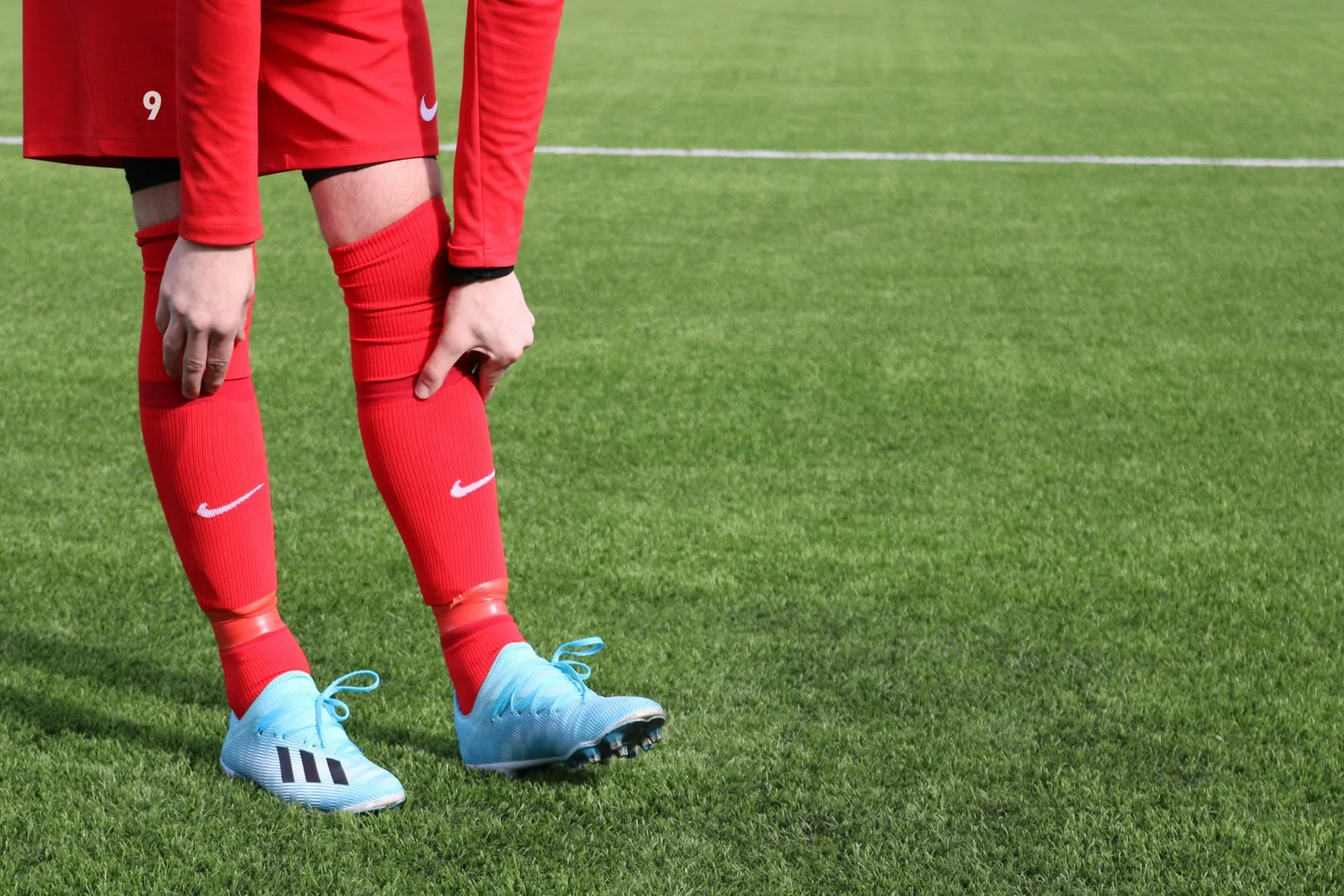
Anterior cruciate ligament (ACL) tears are among the most feared injuries in sports, and women experience them at rates two to eight times higher than men, depending on the sport and level of play. Researchers have been investigating this disparity for decades, yet there is still no single definitive explanation.
Current evidence suggests that the increased risk is multifactorial, involving a combination of anatomical, neuromuscular and hormonal factors. While some early theories have been largely debunked, others continue to gain scientific support.
The Q-angle theory: largely debunked
One of the earliest explanations focused on differences in pelvic anatomy. Because women typically have wider pelvises, they often have a larger Q-angle: the angle formed by the quadriceps' line of pull and the line from the kneecap (patella) to the tibial tubercle.
The theory proposed that a larger Q-angle increased stress on the ACL. However, multiple studies have failed to show a meaningful relationship between Q-angle size and ACL injury risk. As a result, this theory is now considered largely unsupported.
Anatomy: femoral notch and ACL size
Anatomical differences may still contribute to ACL injury risk, but not in the way once assumed. A smaller femoral notch, the groove in the femur where the ACL sits, has been associated with higher ACL tear risk in both men and women. Because women, on average, tend to have smaller femoral notches, this may partially explain the increased incidence.
The role of ACL size or volume remains unclear. For example, a 2019 study found that ACL volume increased significantly from pre-season to post-season in female collegiate soccer players. However, it was unclear whether this change reflected:
- Positive adaptation (a stronger ligament), or
- Inflammatory changes that could increase rupture risk
Importantly, a larger ACL doesn't necessarily mean a stronger or safer ACL.
Neuromuscular control and joint laxity
Differences in movement patterns and joint stability have also been proposed as contributing factors. Some studies suggest that women may:
- Recruit muscles differently during cutting and landing tasks
- Have greater anterior tibial laxity (forward movement of the shinbone relative to the thighbone)
While these characteristics may influence knee loading, no strong causal relationship has been definitively established linking them directly to higher ACL tear rates.
Hormonal influences: a promising area of research
One of the most compelling and actively studied explanations involves hormonal fluctuations across the menstrual cycle. Several studies have found that ACL tears are more likely to occur during the pre-ovulatory and ovulatory phases, when estrogen levels peak. Elevated estrogen has been associated with:
- Increased knee joint laxity
- Decreased ligament stiffness
Both factors may make the ACL more vulnerable to injury. Some research has also observed lower ACL injury rates in women using oral contraceptives, particularly during ovulation, suggesting a potential protective effect. However, findings remain mixed, and no formal clinical recommendations have been made.
Where the research stands
The higher rate of ACL tears in women is likely due to an interaction of multiple factors rather than a single cause. Unfortunately, much of the existing research has been limited by small sample sizes, inconsistent methods or a lack of long-term follow-up.
That said, progress is accelerating. As of 2025, FIFA has launched a large-scale study involving professional women's soccer players to examine how menstrual cycle–related hormonal fluctuations influence ACL injury risk. This initiative is a critical step toward higher-quality, female-specific data.
The bottom line
There is no single explanation for why women experience ACL tears at higher rates than men, but the picture is becoming clearer. Anatomical structure, neuromuscular control and hormonal influences likely interact to increase risk. With more rigorous research centered on women's physiology, we are moving closer to better prevention strategies and safer participation in sport. If you've already torn your ACL, see what the evidence says about non-surgical ACL treatment and returning to sport.
Want to lower your knee injury risk or recover from an ACL tear? Our physical therapists can build a plan for your sport and your body.
book a sessionthe takeaway
Women tear their ACLs two to eight times more often than men, and no single factor explains why. The Q-angle theory is largely unsupported, while a smaller femoral notch, neuromuscular differences and estrogen-related changes in ligament laxity likely all play a role.
Frequently asked questions
How much more common are ACL tears in women?
Women experience ACL tears at rates two to eight times higher than men, depending on the sport and level of play.
Does a wider pelvis cause ACL tears?
That idea, the Q-angle theory, is now considered largely unsupported. Multiple studies have failed to show a meaningful relationship between Q-angle size and ACL injury risk.
Do hormones affect ACL injury risk?
It's a promising area of research. Several studies found ACL tears are more likely in the pre-ovulatory and ovulatory phases, when estrogen peaks, and elevated estrogen has been linked to greater knee laxity and lower ligament stiffness. Findings remain mixed.
Do birth control pills lower ACL injury risk?
Some research has observed lower ACL injury rates in women using oral contraceptives, particularly during ovulation, but findings are mixed and no formal clinical recommendations have been made.