
Return-to-Sport Guidelines Following ACL Tears: Evidence-Based Summary
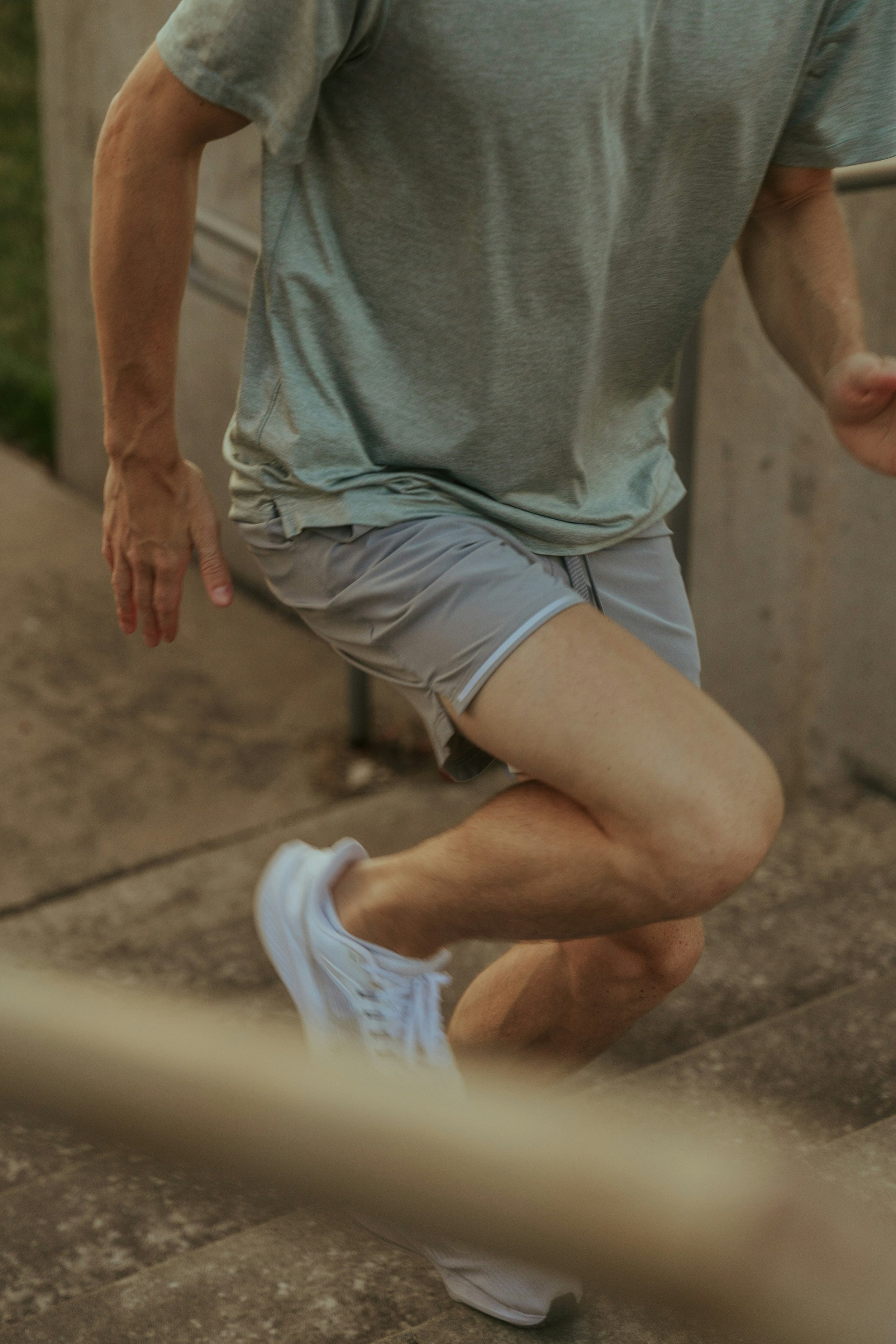
Athlete performing a single-leg hop test on a gym floor during ACL rehabilitation.
You have put in months of rehab after ACL surgery, and the question on your mind is simple: when is it safe to get back on the field? The honest answer is that the calendar alone will not tell you — returning to sport safely depends on hitting objective targets, not just waiting out the clock.
How long before you can return to sport?
Return to sport after ACLR (ACL reconstruction) should be delayed for at least 9 months from surgery to optimize biologic graft incorporation and minimize reinjury risk. Clearance requires meeting multiple objective criteria rather than relying solely on time elapsed.
The difference this makes is significant. Athletes who returned before 9 months demonstrated significantly higher reinjury rates, while those who met return-to-play criteria had a 4.5% reinjury rate within 2 years — compared to 33% in those who did not meet criteria.
What clearance actually requires
A comprehensive return-to-sport evaluation should include several components, each measured against an objective threshold:
- Strength testing: Quadriceps and hamstring limb symmetry index (LSI) ≥90%.
- Functional testing: More than two functional tests (for example, hop tests) with LSI ≥90%.
- Psychological readiness: A validated assessment of your mental preparedness for competition.
- Knee stability: A clinical examination confirming the absence of increased laxity.
The rehabilitation timeline
Recovery follows a phased, criterion-based approach spanning 9–12 months. Each phase has its own focus and its own strength target you need to clear before progressing. Your physical therapy plan should advance you through these stages based on what your knee can do, not simply how many weeks have passed.
| Phase | Timeframe | Focus | Strength criterion |
|---|---|---|---|
| Early phase | Weeks 0–6 | Pain and swelling reduction, range of motion (ROM) restoration | Quadriceps strength ≥60% LSI |
| Intermediate phase | Weeks 7–9 | Balance activities, neuromuscular re-education | Quadriceps strength ≥70% LSI |
| Late phase | Weeks 10–16 | Running initiation, landing mechanics training | Quadriceps strength ≥80% LSI |
| Transitional phase | Months 4–6 | Jumping, sprinting, agility drills | Strength and hop testing ≥85% LSI |
| Return-to-sport phase | Months 6–12 | Sport-specific conditioning, final clearance | ≥90% LSI for strength and hop testing, no pain or effusion, adequate psychological readiness |
Running is not introduced until your quadriceps strength reaches ≥80% LSI, and jumping, sprinting, and agility work wait until the transitional phase. Building that strength and conditioning base in the right order is what allows the later, higher-demand phases to go well.
Key considerations
The decision-making process should be multidisciplinary and individualized. It incorporates both modifiable factors — prehabilitation, rehabilitation timing, and psychological readiness — and non-modifiable factors such as age and gender.
Key takeaway
Meeting the criteria matters more than meeting a date. Athletes who satisfied return-to-play testing had roughly one-seventh the reinjury rate of those who did not.
Wondering if you are ready to return to your sport? A criterion-based assessment can tell you exactly where you stand and what is left before clearance.
Common questions
How soon after ACL reconstruction can I return to sport?
Return to sport should be delayed for at least 9 months from surgery to allow biologic graft incorporation and reduce reinjury risk. Time alone is not enough — you also need to meet objective clearance criteria.
What tests do I need to pass to be cleared?
A comprehensive evaluation includes quadriceps and hamstring strength at limb symmetry index (LSI) ≥90%, more than two functional tests such as hop tests at LSI ≥90%, a validated psychological readiness assessment, and a clinical exam confirming no increased knee laxity.
Why does meeting the criteria matter so much?
Athletes who met return-to-play criteria had a 4.5% reinjury rate within 2 years, compared to 33% in those who did not meet the criteria. Returning before 9 months was also associated with significantly higher reinjury rates.
How is the rehabilitation structured?
Recovery follows a phased, criterion-based approach spanning 9–12 months, progressing from pain and range-of-motion work in the early weeks, through balance and neuromuscular re-education, to running, jumping, agility, and finally sport-specific conditioning — each stage gated by a rising strength target.
What factors influence the return-to-sport decision?
The decision is multidisciplinary and individualized, weighing modifiable factors (prehabilitation, rehabilitation timing, psychological readiness) alongside non-modifiable factors (age and gender).