

Some knowledge, some opinions, some rants.
Written by the therapists who treat here — on training, rehab and the things people get told that are not true.
Most people arrive having already been told three different things by three different sources. These posts are our therapists answering the questions we actually get asked — what an injury is, why it keeps coming back, what the research says, and what to do on Monday.
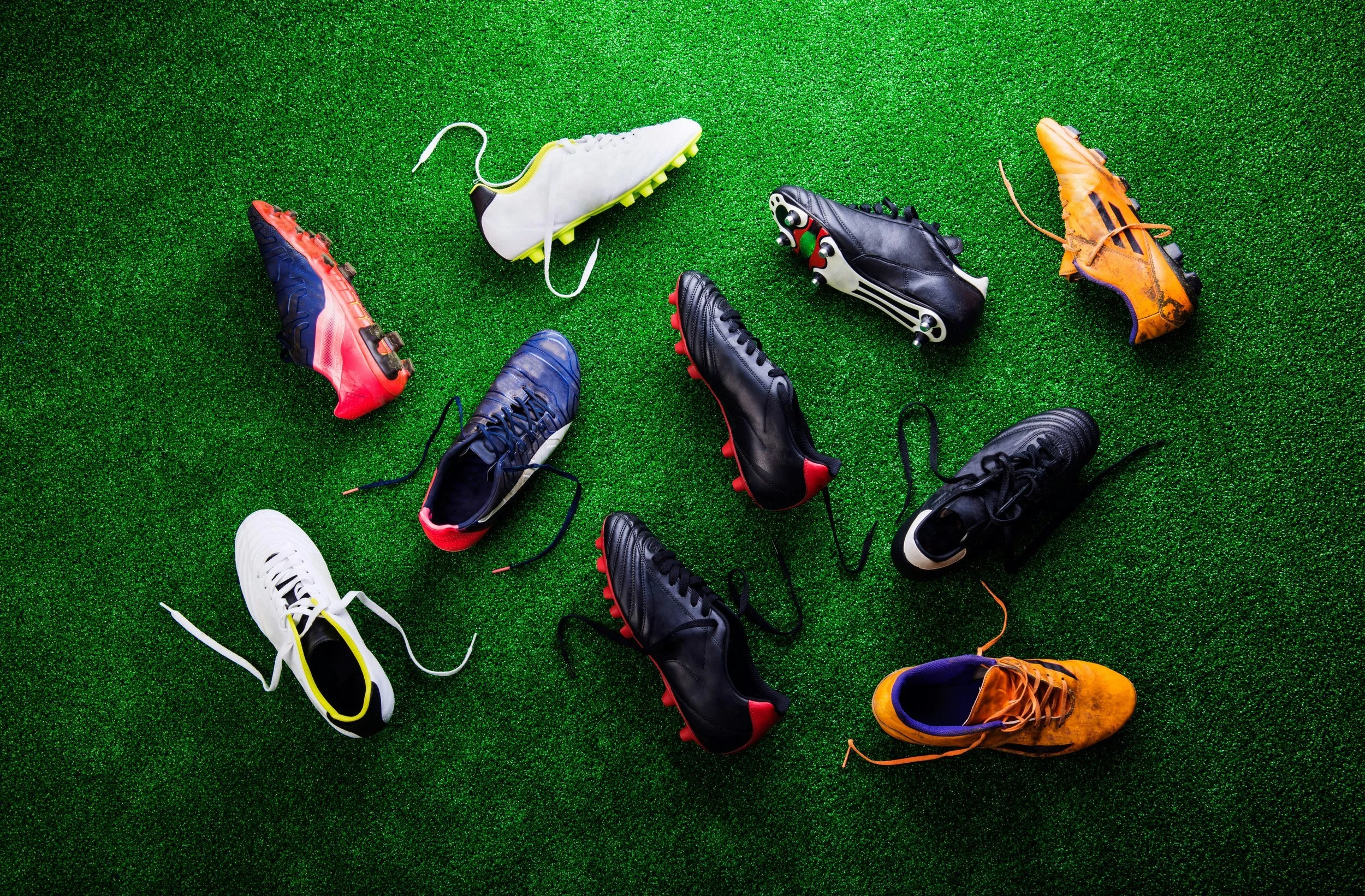
Choosing the Right Cleats for Grass vs. Turf
Not all cleats are created equal. Learn how matching your cleats to turf or grass can reduce injury risk and improve performance in field sports.

What’s With the Circles? Understanding Cupping Therapy
Cupping therapy leaves circular marks on athletes, but what does it actually do? Learn how cupping works and what the research says.

Early Sports Specialization in Youth Athletes
Year-round, single-sport training is linked to more overuse injuries, burnout and shorter careers. What the research says, plus simple guidelines for parents and coaches.

No Pain, No Gain? When Pain Is OK After an Injury
Pushing through pain after injury isn't always the answer. Learn how the stages of healing determine when pain is safe, and when it's a sign to slow down.

Cryotherapy: When Should You Use Ice on an Injury?
Not sure when to ice an injury? Cryotherapy can reduce pain and inflammation, but timing matters. Learn when ice helps and when it doesn't.

Pain During Rehab: Is It OK, and How Much Is Too Much?
Pain during rehab can be normal. Learn how much pain is OK, what the research says, and a simple guideline for exercising safely.

Joint Noises: What’s Normal and When to Be Concerned
Cracking, clicking and popping joints are usually normal. Learn why joints make noise and when it may signal a problem.

Does Kinesio Tape Actually Work? What the Research Says
Kinesio Tape is widely used in sports, but evidence shows only small, short-term benefits. Learn when KT may or may not help.

Pain and Tissue Damage Don't Always Match: Here's Why
Pain and tissue damage don't always correlate. Learn common, everyday examples that explain why pain doesn't always mean injury.
Everything here is easier with someone watching.
Book with the therapist who wrote it, or any of the twelve. One-on-one, same person every visit.