
No Pain, No Gain? When Pain Is OK After an Injury
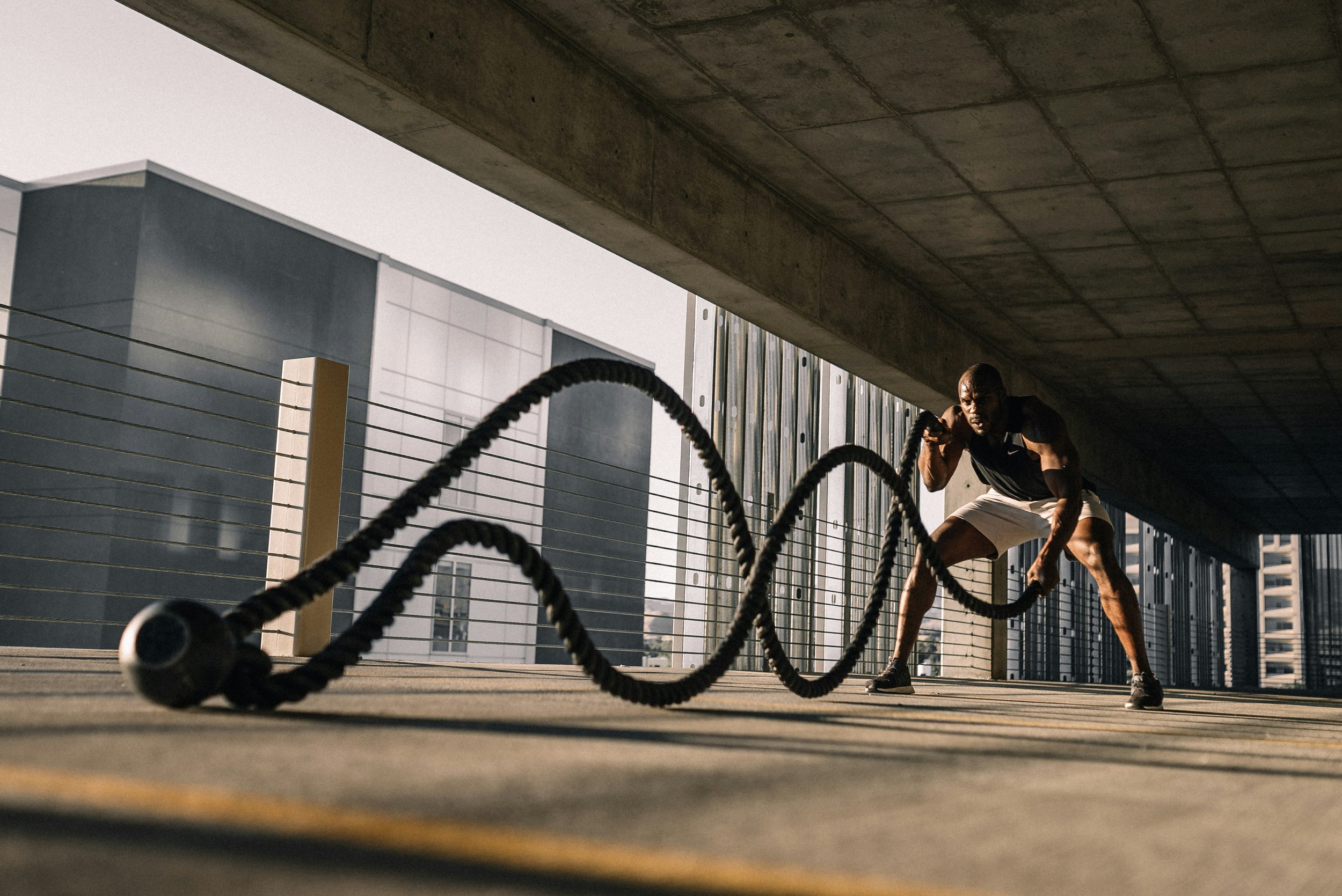
After an injury, the phrase "no pain, no gain" suggests that pushing through discomfort is necessary for a successful recovery. While this mindset may apply in certain training contexts, it can be misleading, and sometimes harmful, during injury rehabilitation.
So when is it appropriate to work through pain, and when should pain be a signal to stop? Understanding the healing process provides a useful framework for making safer, more effective decisions.
The healing process
Injuries to ligaments, muscles, tendons and bone all follow a similar pattern of healing in three overlapping phases. The timeline for each varies with injury severity and location, the tissue involved, and individual factors such as age, health and prior injury history.
| Phase | Typical timing | Working through pain? |
|---|---|---|
| Inflammatory | From injury, up to about 2 weeks | Generally no: controlled, pain-free movement only |
| Proliferation | From about 2 weeks, lasting 6–8 weeks | May be appropriate if pain is low-grade, tolerable and not worsening |
| Maturation (remodeling) | From about 6 weeks, up to 1–2 years | Generally safe if pain stays mild, stable or improves with activity |
The inflammatory phase
This phase begins immediately after injury and can last up to two weeks, depending on tissue damage and healing conditions. Pain is typically at its highest, there is significant loss of strength and function, and tissue is highly vulnerable to stress.
During this stage, movements that load or stress the injured area are often inappropriate. The focus should be on:
- Pain and swelling management
- Protecting the injured tissue
- Controlled, pain-free movement only
Pushing through pain during this phase can delay healing or worsen the injury.
The proliferation phase
The proliferation phase usually begins around two weeks after injury and continues for six to eight weeks. New tissue is being laid down, range of motion improves, pain levels decrease, and strength is improving but not yet restored.
During this phase, working through pain may be appropriate, provided the pain:
- Is low-grade and tolerable
- Does not worsen with activity
- Improves or stays stable as movement continues
Pain that escalates or changes how you move is a sign that the load may be too high.
The maturation (remodeling) phase
This phase typically begins around six weeks after injury and can continue for one to two years. Tissue approaches or reaches maximal strength and structural healing is largely complete, but pain with activity may still be present.
At this stage, pain is often not a sign of tissue damage, but rather of increased sensitivity, reduced conditioning or nervous system adaptation. Working through pain is generally safe if it remains mild, stable or improves with activity.
Using your pain response as a guide
A helpful tool during the proliferation and remodeling phases is monitoring symptoms 24–72 hours after activity:
- Pain or irritability that resolves within 72 hours is typically acceptable
- Symptoms that persist or worsen beyond 72 hours suggest the tissue may have been overloaded
This delayed response provides valuable insight into whether training intensity or volume needs adjusting.
The role of proper training progression
Gradual, well-structured training progression is the most effective way to reduce flare-ups, avoid setbacks and restore confidence in movement. With appropriate loading over time, returning to full activity is far more likely.
Recovery timelines and individual factors
After an injury, recovery can take anywhere from six weeks to over a year, depending on the severity of the injury, previous injuries, age, overall health, and baseline fitness and activity level. There will be times when working through pain is safe, and times when it is not. For pain that lingers long after healing, see what chronic pain is.
Not sure whether your pain means push or pause? Guided physical therapy keeps you in the safe zone while you progress toward full recovery.
book a sessionthe takeaway
Pain isn't inherently bad, but context matters. Avoid pushing through pain in the first couple of weeks after injury. Later, mild pain that stays stable and settles within 72 hours is usually acceptable, while pain that escalates or lingers means the load was too high.
Frequently asked questions
Should I push through pain after an injury?
It depends on the stage of healing. In the inflammatory phase, which can last up to two weeks, focus on protection and pain-free movement. In later phases, low-grade, tolerable pain that doesn't worsen with activity may be appropriate.
What are the three phases of healing?
The inflammatory phase (up to about two weeks), the proliferation phase (from about two weeks, lasting six to eight weeks) and the maturation or remodeling phase (from about six weeks, lasting up to one to two years).
How do I know if I overdid it?
Monitor symptoms for 24–72 hours after activity. Pain or irritability that resolves within 72 hours is typically acceptable; symptoms that persist or worsen beyond that suggest the tissue was overloaded.
How long does injury recovery take?
Anywhere from six weeks to over a year, depending on injury severity, previous injuries, age, overall health, and baseline fitness and activity level.
