
Pain and Tissue Damage Don't Always Match: Here's Why
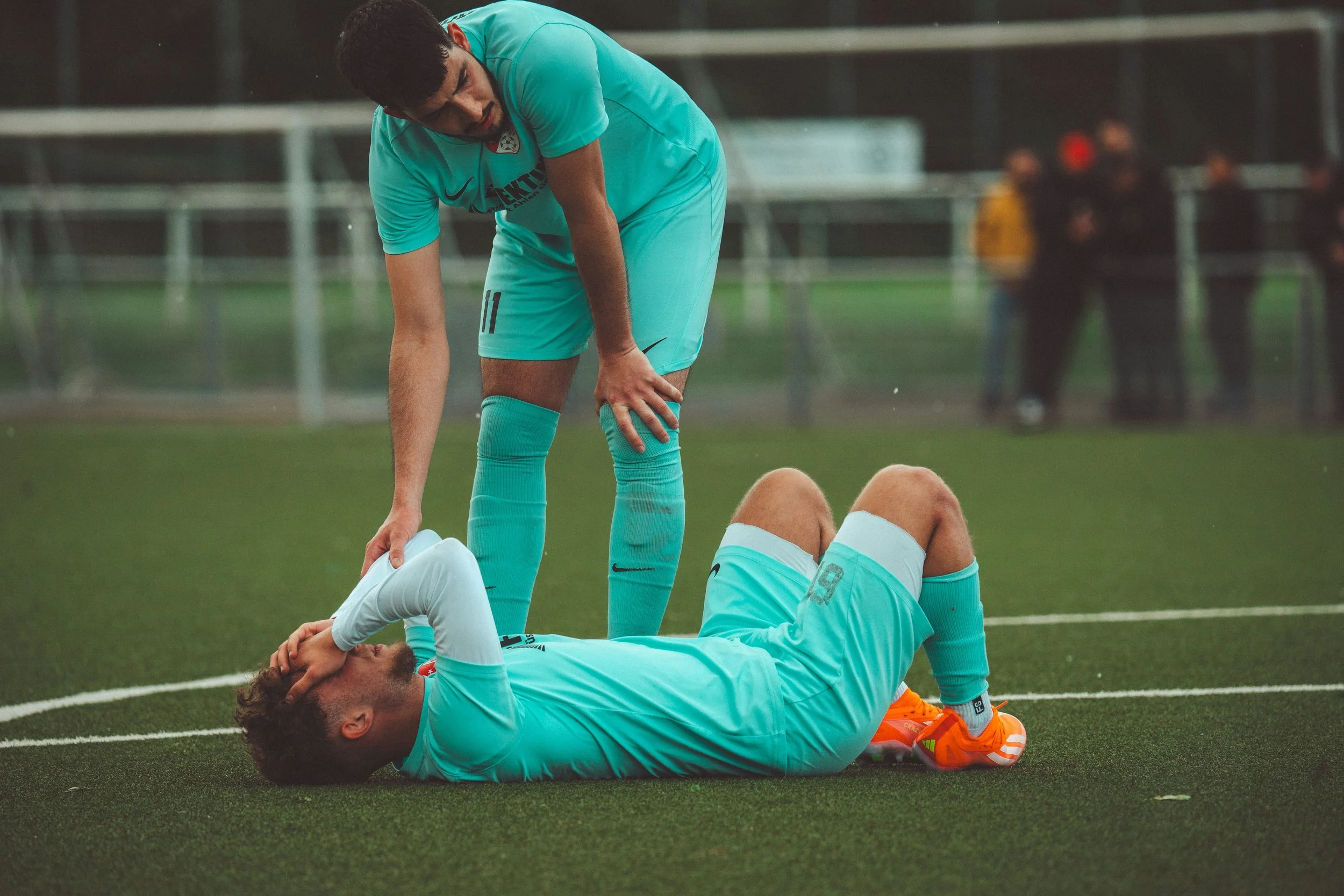
It's a common belief that pain and tissue damage are the same thing, but that isn't always true.
Sometimes they clearly match: you break a bone and it hurts. But what about the person who's been in pain for years? Is there ongoing damage? Or when someone with chronic pain has a flare-up, does that mean new tissue injury has occurred? English physiotherapist Adam Meakins has highlighted several everyday experiences that help explain why pain and tissue damage don't always correlate. Chances are, you've experienced many of them yourself.
Example 1: the mysterious bruise
Have you ever noticed a bruise and thought, "When did that happen?" A bruise is clear evidence of tissue damage: bleeding under the skin caused by trauma. If pain and tissue damage always matched, you'd expect to remember when it happened or feel pain before seeing it. But often, we don't. Tissue damage occurred, yet pain was minimal or absent.
Example 2: the pesky paper cut
A paper cut is the opposite scenario. It's a very small amount of tissue damage, yet it can be surprisingly painful. This shows the flip side of the mismatch: a large pain response with minimal tissue injury.
Example 3: sunburns and hot showers
We've all had a sunburn, and we all know how painful a hot shower can feel afterward. But is the hot water causing more tissue damage? No. The pain you feel reflects increased tissue sensitivity, not additional injury. The tissues are already irritated, and the nervous system is responding more strongly to a normal stimulus.
This example matters in rehab and exercise. When pain increases during movement, it doesn't automatically mean more damage is occurring; it may simply reflect sensitivity.
Why does this happen?
Pain is complex. Our nervous system is constantly learning, predicting and interpreting information. Pain is influenced by:
- Nociceptive input (signals from pain-sensitive receptors)
- Past experiences
- Expectations
- Emotional and social context
That's why pain is defined as "an unpleasant sensory and emotional experience associated with actual or potential tissue damage." The word potential matters: it allows pain to exist without ongoing damage, and damage to exist without pain. The same is true of scans; many findings show up in people without pain (see should you get imaging for back pain?).
Bonus example: blisters vs. calluses
This example isn't about pain and damage mismatching, but about how pain develops and how rehab works:
- Blisters form from sudden, excessive friction
- Calluses form from gradual, controlled exposure to friction
Many pain conditions behave the same way. A sudden spike in activity creates a "blister." Gradual exposure lets tissues adapt and become more resilient, like a callus. In rehab, the goal is to calm the "blister" (reduce sensitivity), gradually reload the tissue, and build tolerance and resilience. As Adam Meakins puts it: "Develop more calluses and fewer blisters throughout life."
Less fear, more confidence
This post simplifies a complex topic, but if it helps you feel less fearful about pain and more confident about movement, it's done its job. For a deeper look at persistent pain, read what chronic pain is.
Worried that pain means you're doing damage? Our physical therapists can help you understand your pain and build tolerance safely.
book a sessionthe takeaway
Pain and tissue damage don't always correlate: a bruise can appear without pain, and a paper cut can hurt a lot. More pain doesn't automatically mean more damage, sensitivity plays a big role, and gradual, progressive loading helps tissues become more resilient.
Frequently asked questions
Does more pain mean more damage?
Not necessarily. Pain can reflect increased sensitivity rather than additional injury, like a hot shower on sunburned skin, which hurts without causing more damage.
Can you have tissue damage without pain?
Yes. A bruise you don't remember getting is clear evidence of tissue damage with little or no pain.
What influences how much pain I feel?
Nociceptive input from pain-sensitive receptors, past experiences, expectations, and emotional and social context all shape pain.
How does rehab build resilience?
Like a callus forming from gradual friction, gradual and progressive loading lets tissues adapt. Rehab aims to calm sensitivity first, then reload the tissue to build tolerance.
