
Should You Get Imaging for Back Pain? What Science Says
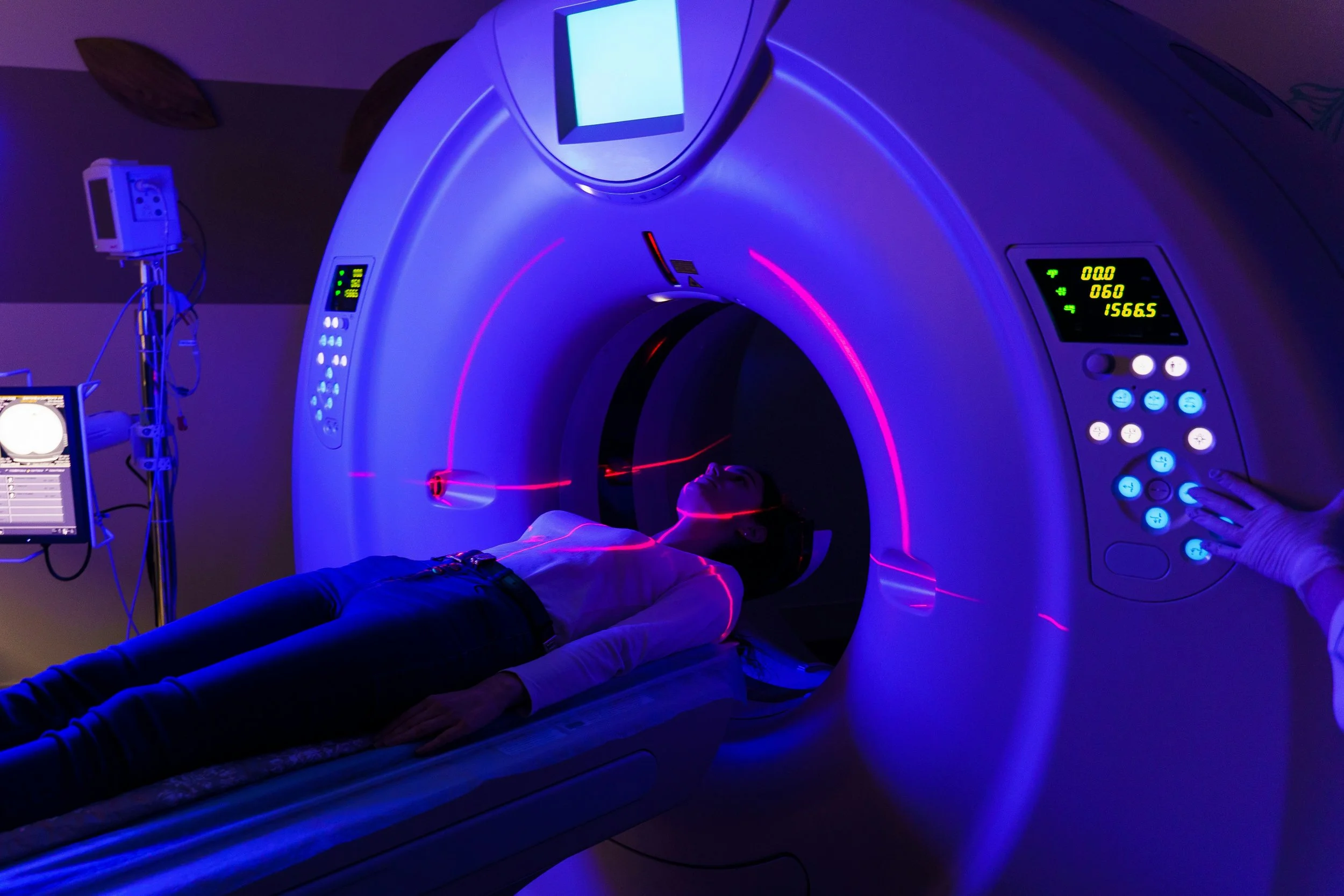
Maybe your back pain has been building over time. Maybe it hit suddenly while bending over or during a workout. Or maybe it's the same nagging discomfort you've dealt with for years. So now you're wondering: should I get imaging? The short answer: probably not. The long answer: it depends, and here's why.
Pain is complex (and not always what you think)
Current research shows that pain is not a reliable indicator of structural damage. Many people with significant findings on imaging have no pain at all, while others experience pain with little to no visible change on scans. Here's what we do know:
1. Pain is multifactorial
Factors that influence pain include:
- Sleep
- Hydration
- Nutrition
- Stress
- Activity levels
- Past experiences
- Your expectations around recovery
2. Prolonged rest can slow healing
Avoiding movement often leads to stiffness, weakness and increased sensitivity, all of which can make pain worse.
3. Movement is medicine
Doing activity, even if it's mildly painful, doesn't mean you're causing harm. A gradual return to movement has been linked to:
- Reduced long-term disability
- Lower pain levels
- Decreased medical costs
4. "Imbalances" are normal
Variations in posture, spinal curvature or joint alignment are part of normal human anatomy. They rarely indicate a cause of pain.
What do we know about imaging?
Imaging tools like X-rays, CT scans and MRIs are incredibly valuable for ruling out serious medical conditions, but they often provide very little useful information for typical back pain. In fact, imaging can sometimes do more harm than good by:
- Increasing fear or anxiety
- Leading to unnecessary interventions
- Encouraging people to avoid movement
Common MRI findings (and what they really mean)
Disc herniations
- About 80% of people over age 50 have disc degeneration, even without pain.
- Most spinal changes occur gradually, not suddenly.
- Disc herniations can heal on their own. Research shows 62–82% of lumbar disc herniations reabsorb without any intervention.
Degeneration, bulges, arthritis and narrowing
These are all normal age-related findings, just like wrinkles or gray hair. "Abnormal" MRI findings are often normal for your age, and rarely the sole cause of pain.
What about recovery?
Recovery is multifaceted, just like pain. Working with a physical therapist can help you move in the right direction. A physical therapist can:
- Screen for red flags
- Perform a thorough musculoskeletal evaluation
- Help determine whether imaging is appropriate
- Design a movement-based plan tailored to your needs
Treatment typically includes strengthening, stretching, mobility work and functional movement training. Addressing lifestyle factors like sleep and stress is just as important: regular exercise is strongly linked to better sleep quality and lower stress levels, and both play a major role in pain reduction and overall recovery.
When should you seek immediate medical attention?
Imaging or urgent evaluation is necessary if you experience:
- Inability to walk or bear weight
- Severe or progressive weakness
- Loss of bowel or bladder control
- Numbness in the saddle area
- Recent major trauma
These are rare but important red flags that require prompt care. If your pain travels down your leg, see understanding low-back related leg pain.
Final thoughts
Back pain is personal; there is no one-size-fits-all approach. The goal isn't just to reduce pain, but to understand what's driving your symptoms, build confidence in movement and support your body through recovery. Your body is resilient. With the right guidance and a tailored plan, you can get back to doing what you love.
Dealing with back pain and wondering if you need a scan? Start with a thorough evaluation.
book a sessionthe takeaway
Most back pain doesn't need imaging. Scan findings like disc degeneration and bulges are common even in people without pain, and a gradual return to movement usually helps more than rest. Get urgent care for red flags like saddle numbness or loss of bladder control.
Frequently asked questions
Do I need an MRI for back pain?
Probably not. Imaging is valuable for ruling out serious medical conditions, but it often provides very little useful information for typical back pain and can increase fear and lead to unnecessary interventions.
Is disc degeneration on an MRI a cause for concern?
Usually not. About 80% of people over age 50 have disc degeneration even without pain. Degeneration, bulges, arthritis and narrowing are normal age-related findings, like wrinkles or gray hair.
Can a herniated disc heal on its own?
Yes. Research shows 62–82% of lumbar disc herniations reabsorb without any intervention.
When is back pain an emergency?
Seek urgent evaluation if you can't walk or bear weight, have severe or progressive weakness, lose bowel or bladder control, have numbness in the saddle area, or have had recent major trauma.
References
Brinjikji W, Luetmer PH, Comstock B, et al. Systematic literature review of imaging features of spinal degeneration in asymptomatic populations. AJNR Am J Neuroradiol. 2015;36(4):811-816. doi:10.3174/ajnr.A4173
Zhong M, Liu JT, Jiang H, et al. Incidence of spontaneous resorption of lumbar disc herniation: a meta-analysis. Pain Physician. 2017;20(1):E45-E52.