
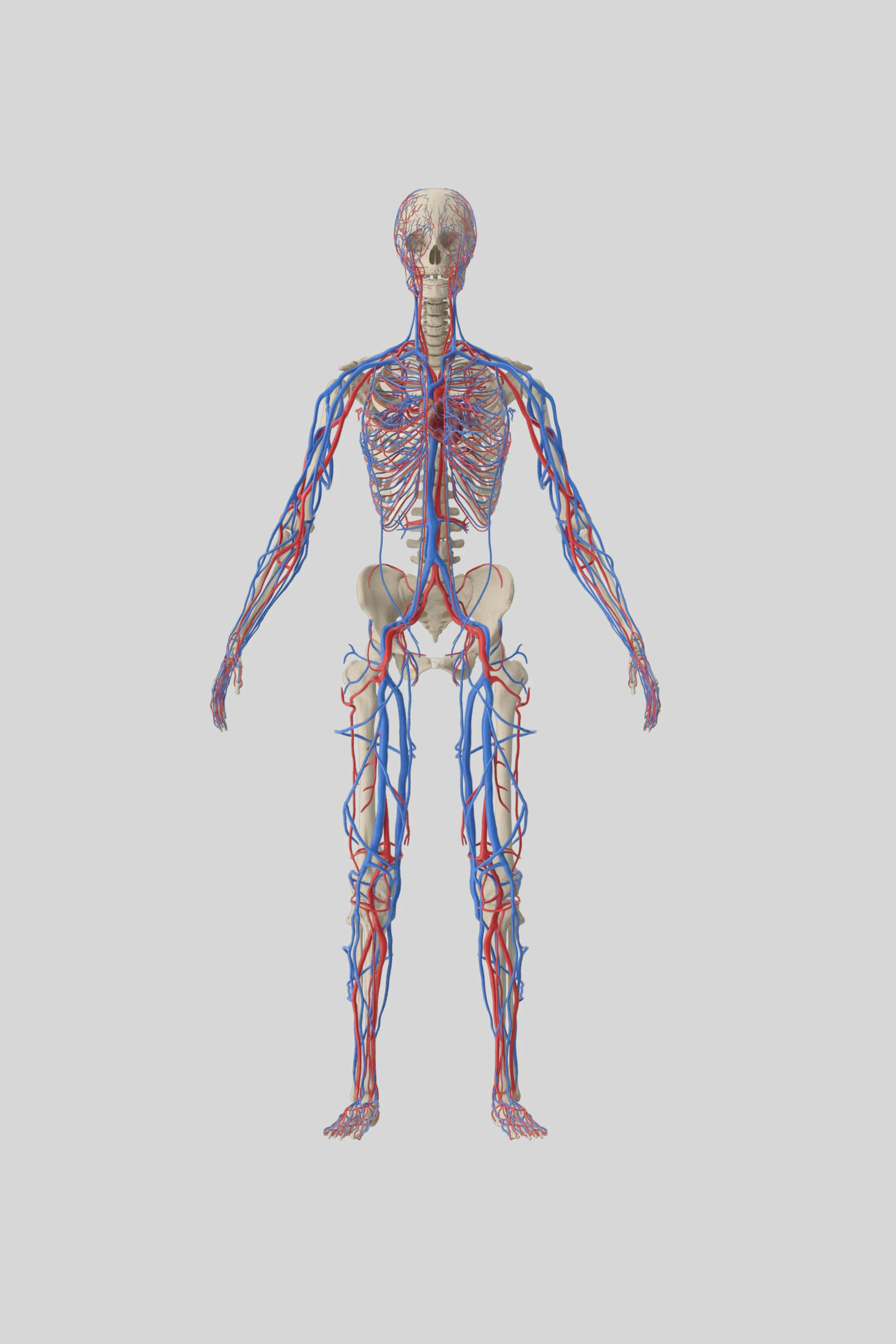
The nervous system runs the human body through an intricate, high-speed communication network. It allows us to sense the world, move our muscles, think, feel and regulate vital functions, often without any conscious effort.
At the heart of this system are nerves, remarkable structures that transmit information between the brain, spinal cord and the rest of the body. Together, they work much like the electrical wiring of a complex machine.
What is a nerve?
A nerve is a cord-like bundle of fibers surrounded by a protective sheath. These fibers transmit electrical and chemical signals, called nerve impulses, between the central nervous system and the body.
The basic building block of the nervous system is the neuron, or nerve cell, and each neuron is specialized to transmit information efficiently. Nerves are made of bundles of long neuron extensions called axons. Many axons are wrapped in a fatty insulating layer known as the myelin sheath, which increases the speed and efficiency of signal transmission, much like insulation around an electrical wire.
The two main divisions of the nervous system
Central nervous system (CNS)
The central nervous system is the body's command center. It consists of the brain and the spinal cord. The CNS receives sensory information, processes it and sends out instructions. It is protected by the skull and the vertebral column (spine), a sign of its critical importance.
Peripheral nervous system (PNS)
The peripheral nervous system includes all nerves outside the CNS. Its role is to relay messages between the CNS and the rest of the body. It includes:
- 12 pairs of cranial nerves originating in the brain
- 31 pairs of spinal nerves branching from the spinal cord
Voluntary vs. involuntary control
Functionally, the peripheral nervous system is divided based on whether actions are under conscious control.
Somatic nervous system (voluntary)
The somatic nervous system controls actions you're consciously aware of, including voluntary muscle movements (walking, talking, facial expressions) and carrying sensory information such as touch, pain, temperature and vision to the CNS.
Autonomic nervous system (involuntary)
The autonomic nervous system (ANS) regulates automatic body functions that happen without conscious thought: heart rate, breathing, digestion, metabolism and gland activity. It has two subdivisions:
- Sympathetic nervous system (fight or flight): prepares the body for action by increasing heart rate, speeding up breathing and redirecting blood flow to muscles
- Parasympathetic nervous system (rest and digest): promotes relaxation and recovery by slowing the heart rate, stimulating digestion and conserving energy
Types of nerves and their functions
Nerves are also classified by the direction in which they carry information:
| Type | Direction or location | Function |
|---|---|---|
| Sensory (afferent) nerves | Toward the CNS | Carry sensory information from receptors and organs to the brain and spinal cord |
| Motor (efferent) nerves | Away from the CNS | Carry instructions from the CNS to muscles and glands |
| Interneurons | Within the CNS | Connect sensory and motor neurons; essential for reflexes, learning, memory and decision-making |
Keeping your nervous system healthy
Because the nervous system plays such a vital role in overall health, protecting it is essential. Damage or dysfunction can cause symptoms such as numbness, pain, muscle weakness or impaired organ function. Key ways to support nervous system health include:
- Balanced nutrition: especially B vitamins and antioxidants, which support nerve repair and protection
- Regular exercise: improves circulation and oxygen delivery to nerves
- Stress management: chronic stress overstimulates the sympathetic nervous system; practices like meditation and deep breathing activate the parasympathetic response
- Injury prevention: protecting the head and spine reduces the risk of CNS damage (see our guide to sports concussions)
Dealing with numbness, nerve pain or weakness? A physical therapist can assess what's going on and help you recover.
book a sessionthe takeaway
The nervous system is split into the central nervous system (brain and spinal cord) and the peripheral nervous system (cranial and spinal nerves). Sensory nerves carry information in, motor nerves carry instructions out, and good nutrition, exercise and stress management help keep it all healthy.
Frequently asked questions
What are the two main parts of the nervous system?
The central nervous system, made up of the brain and spinal cord, and the peripheral nervous system, which includes all nerves outside the CNS: 12 pairs of cranial nerves and 31 pairs of spinal nerves.
What does the myelin sheath do?
Myelin is a fatty insulating layer around many axons that increases the speed and efficiency of signal transmission, much like insulation around an electrical wire.
What is the difference between sympathetic and parasympathetic?
The sympathetic system (fight or flight) prepares the body for action by raising heart rate and breathing. The parasympathetic system (rest and digest) slows the heart, stimulates digestion and conserves energy.
How can I keep my nerves healthy?
Eat a balanced diet with B vitamins and antioxidants, exercise regularly, manage stress with practices like meditation and deep breathing, and protect your head and spine from injury.