
Does Exercise Form Really Matter? Squats and Deadlifts
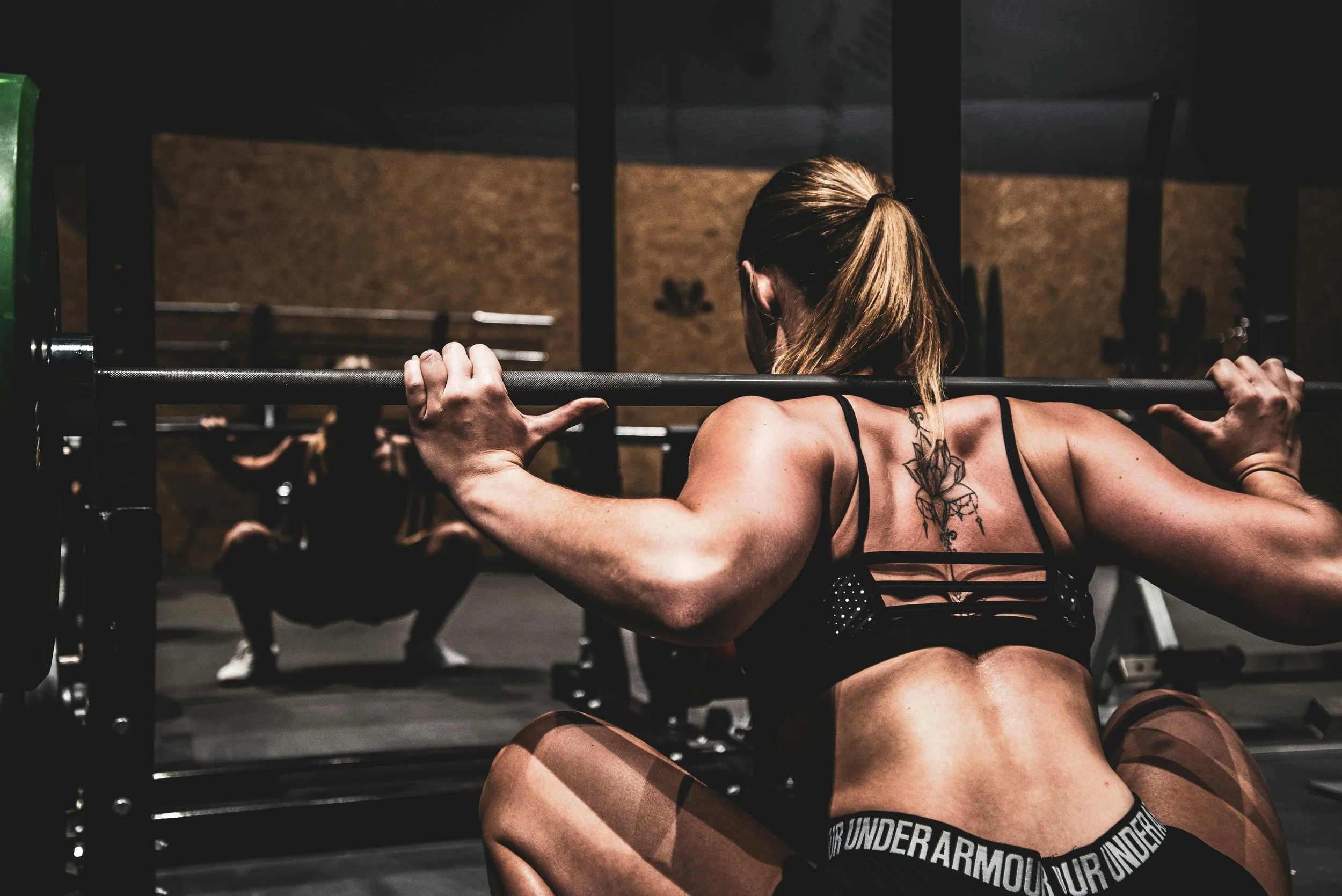
Few topics spark more debate in health and fitness than exercise form. On one end are those who believe you shouldn't perform an exercise unless your form is perfect; on the other are those who argue form doesn't matter at all. Most people, and most professionals, fall somewhere in the middle.
So when does form matter, and are there situations where it matters less than we think? Every movement professional has some degree of bias. With that said, our general philosophy is that form does matter, but probably not as much as most people believe. The confusion shows up most with foundational compound lifts like the squat and deadlift, so let's break those down.
The squat: is there a "right" way?
The squat raises endless questions. Where should your feet go? How deep should you squat? Where should the bar sit? Is a "butt wink" bad?
Earlier in my career, I believed there was a clear right and wrong way to squat. Feet had to be angled a certain way, butt wink was unacceptable, and bar placement had to be precise. Like many practitioners, my thinking has evolved. Movement is far too complex to force everyone into the same mechanical box: anatomy, mobility, training history, comfort and experience all influence how someone squats best.
We don't subscribe to the idea that everyone should move in pre-determined patterns. The goal is to move in ways that maximize performance while minimizing pain, discomfort and restriction. Interestingly, research shows that even a "neutral spine" squat involves about 30 degrees of lumbopelvic flexion, so a perfectly neutral spine during a squat is largely unrealistic.
So is a butt wink OK? It depends, but often, yes, as long as it isn't associated with pain or other concerning symptoms. That doesn't mean form is irrelevant or that you should ignore technique. It means obsessing over perfection often causes more problems than it solves, especially for people who are already cautious about how they move.
The deadlift: is a neutral spine mandatory?
The same debate applies to the deadlift. As with squats, keeping a truly neutral spine through the entire lift is conceptually impossible, and many elite deadlifters show visible spinal rounding, particularly under heavy loads. Some researchers even suggest that controlled spinal flexion may enhance force production by optimizing elastic and tension relationships in the system.
So why the obsession with perfect form? Some traditional coaching cues are outdated and deserve a closer look. The goal of good technique isn't visual perfection; it's efficient force production and tolerance without excessive risk.
Context is everything
Questions about form are almost always answered with "it depends." There are solid foundational principles that matter, especially for beginners:
- Learning to brace under load
- Controlling movement speed
- Training through appropriate ranges of motion
- Monitoring how your body feels during and after training
But when we study elite performers, we rarely see textbook-perfect form. As long as you train at appropriate intensities, progress gradually and pay attention to pain and recovery, form often matters less than people think, and fear of imperfect form can be more limiting than the movement itself. If a lift is causing pain, see the top reasons people get injured in the big three lifts.
Want a coach's eye on your technique, tailored to your body and goals? Our performance coaches and physical therapists can help.
book a sessionthe takeaway
Good form isn't about rigid rules or visual perfection. Learn to brace, control speed and train through appropriate ranges, then find the movement strategy that fits your body, goals and tolerance. Form matters, but flexibility in how we define it matters just as much.
Frequently asked questions
Is butt wink bad when squatting?
Often it isn't, as long as it's not associated with pain or other concerning symptoms. Even a "neutral spine" squat involves about 30 degrees of lumbopelvic flexion.
Do you need a perfectly neutral spine to deadlift?
A truly neutral spine throughout the lift is conceptually impossible, and many elite deadlifters show visible spinal rounding under heavy loads. The goal is efficient force production without excessive risk.
What form basics matter most for beginners?
Learning to brace under load, controlling movement speed, training through appropriate ranges of motion, and monitoring how your body feels during and after training.
Is there one correct way to squat?
No. Anatomy, mobility, training history, comfort and experience all influence how someone squats best, so optimal form is individual.