

Some knowledge, some opinions, some rants.
Written by the therapists who treat here — on training, rehab and the things people get told that are not true.
Most people arrive having already been told three different things by three different sources. These posts are our therapists answering the questions we actually get asked — what an injury is, why it keeps coming back, what the research says, and what to do on Monday.

Are Corticosteroid Injections Worth a Shot?
Corticosteroid injections—often referred to as cortisone shots—are a common conservative treatment option for managing pain caused by inflammation. These injections are administered directly into the painful area and are generally considered minimally invasive. Patients frequently ask whether corticosteroid injections are right for them and whether they truly work.

Shoulder Pain Keeping You Up at Night? Here’s Why — and What You Can Do About It
If shoulder pain is making it hard to sleep, you’re not alone. Many people with shoulder issues find that their pain gets worse at night—no matter how they position themselves. The frustration of tossing and turning can leave you feeling tired, foggy, and less motivated to stay active or work out the next day.
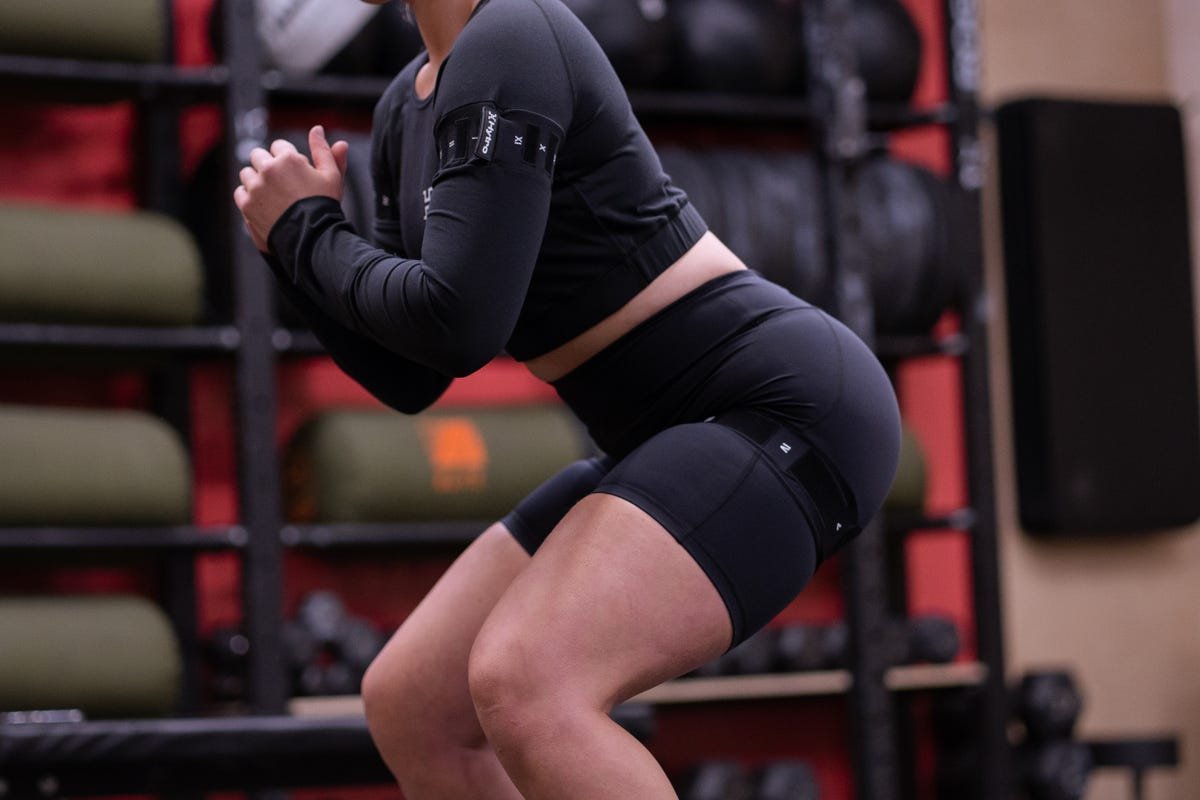
Blood Flow Restriction (BFR) Training: What You Need to Know
Blood Flow Restriction (BFR) training uses specialized cuffs to partially restrict blood flow to the arms or legs while exercising. This creates metabolic stress and muscle fiber activation similar to high-load training, allowing significant strength and muscle gains using very light weights. BFR is safe when performed with proper pressure and supervision, making it valuable for rehabilitation and low-load training.

Understanding Low-Back Related Leg Pain: What’s Causing It?
Low-back related leg pain is usually caused by either muscle/joint irritation or nerve compression. Muscle-related pain feels dull and achy and doesn’t follow a clear path, while nerve pain is sharp, burning, or tingling and often travels down the leg in a specific line. Identifying which type you have helps determine the best treatment, such as mobility exercises for muscle pain or nerve-specific exercises for radicular pain.
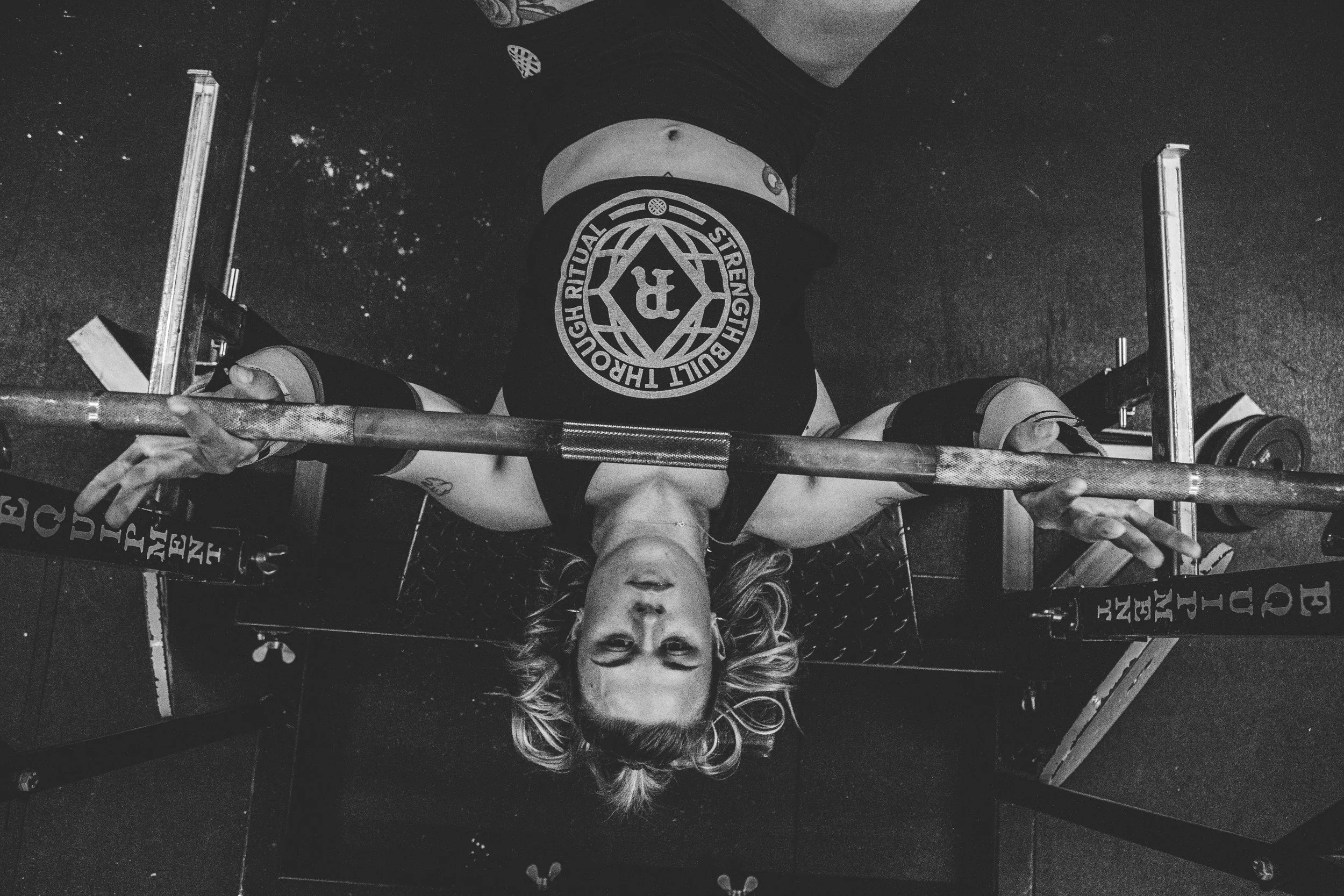
Top 3 Reasons You Get Injured During the Big Three Lifts (Squat, Bench, Deadlift)
Most injuries during squats, bench press, and deadlifts occur due to poor form, improper programming, and inadequate recovery. Correcting technique, managing load through structured programming, and prioritizing sleep and nutrition can significantly reduce injury risk. Small adjustments such as modifying bar position, reducing elbow flare, or using variations like the trap bar deadlift can help lifters move more safely and efficiently.
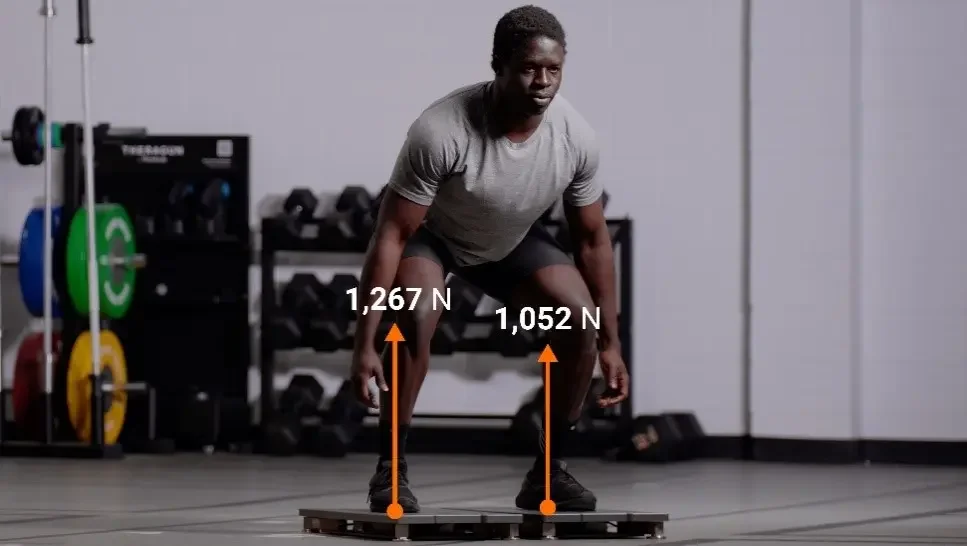
How Strength & Plyometric Training Improve Running Performance
Strength and plyometric training improve running performance by increasing tendon stiffness, neuromuscular efficiency, explosive power, and muscular endurance. These adaptations enhance running economy, reduce energy cost, and build stronger, more resilient tissues. Combining heavy resistance training with plyometrics provides the greatest improvements for runners.

Monitoring Training Load for Runners: How to Reduce Injury and Improve Performance
Running has been and continues to be a popular form of exercise due to its easy accessibility and minimal need for equipment. With gyms closing and social distancing during the pandemic, there is a good chance you and someone you know has taken up running as part of their exercise routine.

Foam Rolling vs. Stretching: What the Research Really Says About Mobility, Recovery, and Long-Term Flexibility
Stretching creates long-term improvements in flexibility and range of motion, while foam rolling offers short-term benefits such as reduced soreness and temporary mobility gains. Research shows stretching can change tissue length over time, whereas foam rolling is most effective for pre-performance warm-ups, decreasing discomfort, and improving movement short term.

Rotator Cuff Surgery: Returning to Sport.
Rotator cuff tears are a common injury in recreational and professional athletics which involve repetitive overhead motions. Tears can result in weakness, pain, limited mobility and varying degrees of disability. While many athletes, and non-athletes, can return to full function without surgery, there are circumstances which require surgery. A common concern many athletes have following a rotator cuff repair surgery is the time it will take to return their sport again.
Everything here is easier with someone watching.
Book with the therapist who wrote it, or any of the twelve. One-on-one, same person every visit.