
Tendons vs. Ligaments: Key Differences and Why They Matter
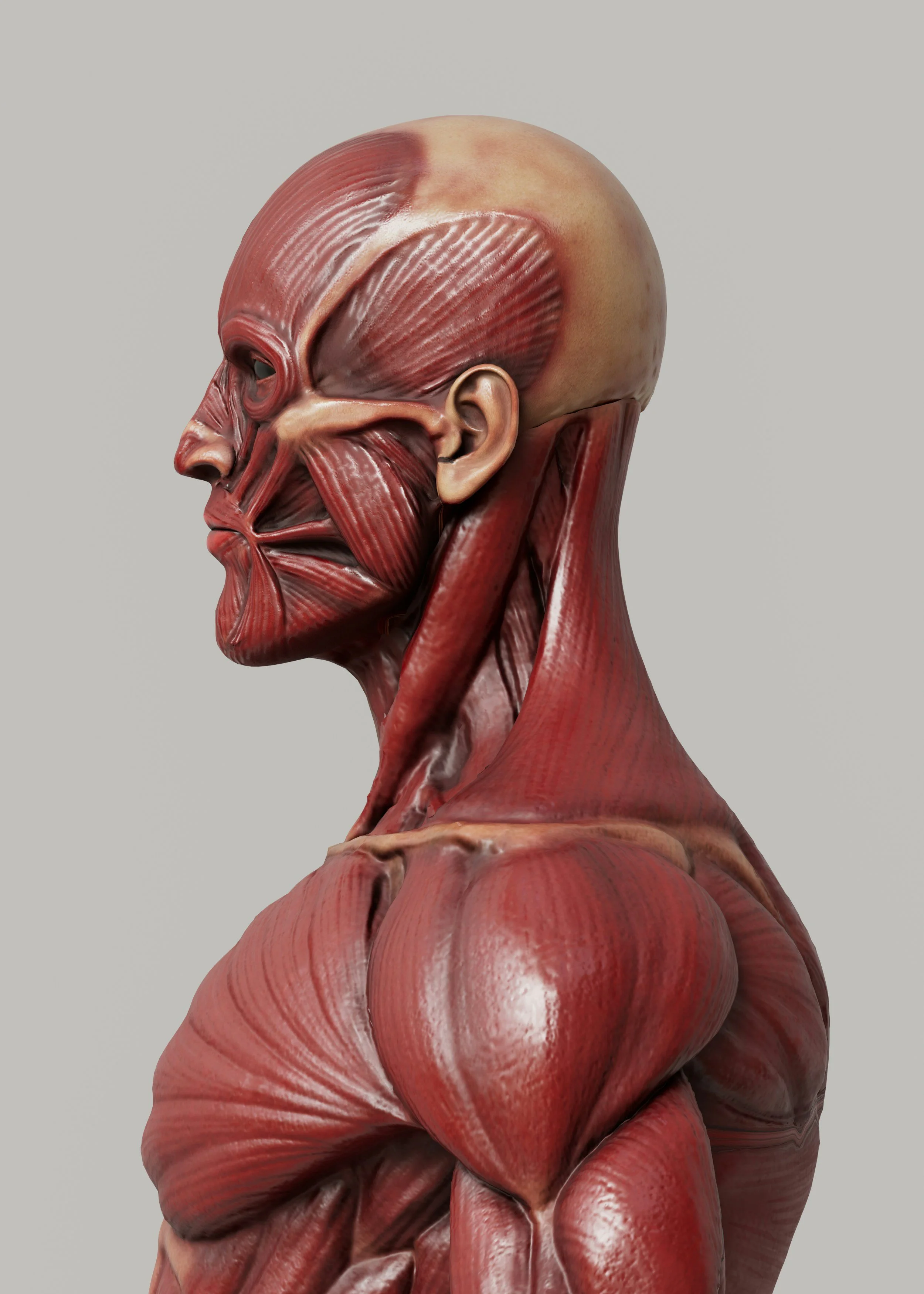
Tendons and ligaments are two essential types of connective tissue in the human body. Although they are often confused, they serve distinct and equally important roles in movement, stability and injury prevention.
Understanding how tendons and ligaments work can help you move more efficiently, reduce injury risk and recover more effectively when injuries occur.
What are tendons?
Tendons are strong, flexible cords of fibrous connective tissue that connect muscles to bones. When a muscle contracts, the tendon transmits that force to the bone, creating movement. Because tendons constantly handle high loads during physical activity, they must be both tough and resilient.
Example: the Achilles tendon connects the calf muscles to the heel bone and plays a critical role in walking, running and jumping.
What are ligaments?
Ligaments are bands of tough, slightly elastic connective tissue that connect bone to bone. Their primary role is to stabilize joints, limit excessive movement and maintain proper alignment between bones.
Example: the outer ankle is supported by three key ligaments:
- Anterior talofibular ligament (ATFL)
- Calcaneofibular ligament (CFL)
- Posterior talofibular ligament (PTFL)
Together, these ligaments help prevent the ankle from rolling outward during walking, running and jumping. When they're overstretched, the result is an ankle sprain.
Tendons vs. ligaments at a glance
| Tendons | Ligaments | |
|---|---|---|
| Connect | Muscle to bone | Bone to bone |
| Main job | Transmit muscle force to create movement | Stabilize joints and limit excessive movement |
| Example | Achilles tendon | ATFL, CFL and PTFL of the outer ankle |
| Common injury | Tendinitis or tendinopathy | Sprain |
Why tendons and ligaments matter
Tendons and ligaments are essential for efficient movement, joint stability, force transmission and injury prevention. Overuse, poor movement mechanics, inadequate recovery or trauma can lead to injuries such as:
- Tendinitis or tendinopathy: irritation or degeneration of a tendon
- Sprains: overstretching or tearing of ligaments
How to keep tendons and ligaments healthy
To support connective tissue health:
- Warm up before physical activity
- Perform regular mobility exercises
- Strengthen the muscles surrounding your joints
- Progress training gradually and avoid sudden increases in intensity or volume
Consistent, well-balanced training helps tendons and ligaments adapt to load and remain resilient over time.
Dealing with a nagging tendon or a sprain that won't settle? Our physical therapists can help you recover and build resilience.
book a sessionthe takeaway
Tendons connect muscle to bone to create movement, while ligaments connect bone to bone to provide joint stability. Warming up, mobility work, strength training and gradual progression help keep both healthy.
Frequently asked questions
What is the difference between a tendon and a ligament?
Tendons connect muscles to bones and transmit force to create movement. Ligaments connect bone to bone and stabilize joints by limiting excessive movement.
What ligaments support the outer ankle?
Three key ligaments: the anterior talofibular ligament (ATFL), the calcaneofibular ligament (CFL) and the posterior talofibular ligament (PTFL). Together they help prevent the ankle from rolling outward.
What is the difference between tendinopathy and a sprain?
Tendinitis or tendinopathy is irritation or degeneration of a tendon. A sprain is an overstretching or tearing of a ligament.
How can I keep my tendons and ligaments healthy?
Warm up before activity, do regular mobility exercises, strengthen the muscles around your joints, and progress training gradually without sudden jumps in intensity or volume.