
PRP Injections in Rehabilitation: What You Need to Know
Platelet-rich plasma (PRP) injections are becoming an increasingly popular option for managing joint, muscle and tendon pain, especially when symptoms persist despite traditional treatment. In rehab settings, PRP is often discussed as a way to reduce pain and support tissue healing while allowing patients to stay active.
What is PRP?
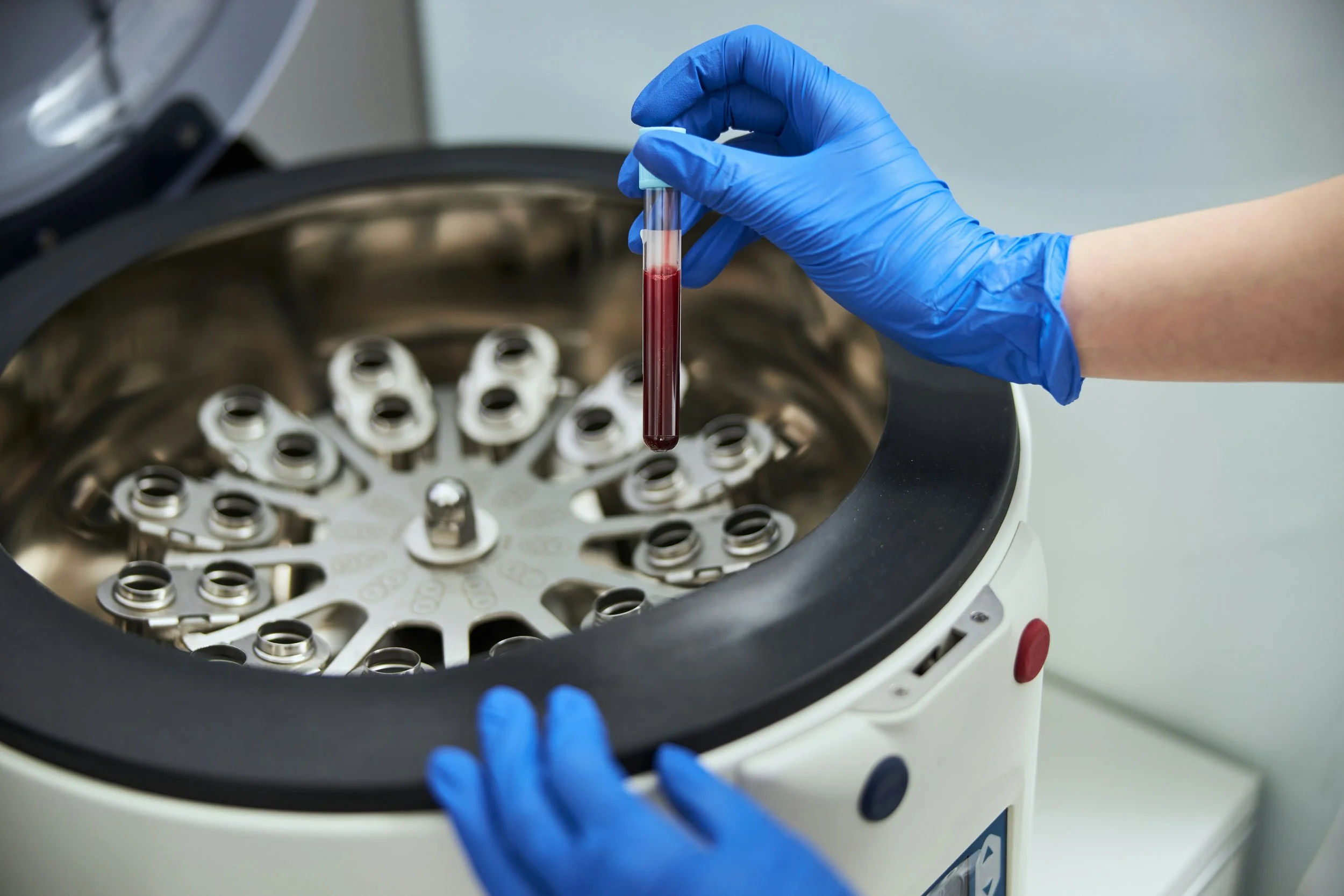
PRP is a form of regenerative medicine that uses your body's own healing mechanisms to support tissue repair. The process involves:
- Drawing a small sample of your blood
- Spinning the blood in a centrifuge to separate its components
- Concentrating platelets, which contain growth factors and proteins involved in healing
- Injecting the platelet-rich portion back into the injured or painful area
Because PRP is derived from your own blood (autologous), the risk of allergic reaction or rejection is very low.
What is PRP used for?
PRP has been studied across a wide range of musculoskeletal conditions, including:
- Osteoarthritis (OA): particularly knee and hip OA
- Tendinopathies: rotator cuff, Achilles, patellar and gluteal tendons
- Other conditions: plantar fasciitis, tennis elbow (lateral epicondylalgia), carpal tunnel syndrome and trochanteric bursitis
Does PRP actually work?
The research on PRP is growing rapidly, but results vary based on the condition, its severity, and how PRP is prepared and delivered.
| Strength of evidence | Conditions |
|---|---|
| Stronger supporting evidence | Knee and hip osteoarthritis, tennis elbow, plantar fasciitis, carpal tunnel syndrome, trochanteric bursitis |
| Mixed evidence | Chronic tendinopathies and partial tendon tears. PRP appears more effective for some shoulder conditions than for patellar or Achilles tendinopathy, where results are inconsistent. |
| Limited or emerging evidence | Spine-related pain, hand arthritis, certain shoulder pathologies |
A 2023 meta-analysis comparing PRP with corticosteroid injections for knee osteoarthritis found that PRP provided greater long-term improvements in pain and function, lasting up to one year. While corticosteroids often produce faster short-term relief, PRP tends to offer more sustained benefits without the risks associated with repeated steroid injections.
How long do results last?
Response duration depends on the condition and the individual. In osteoarthritis, improvements often last 6–12 months, though some patients may need repeat injections. Long-term outcomes are still being studied.
Are there side effects?
PRP is generally considered safe. Possible side effects include:
- Temporary pain or soreness at the injection site
- Mild swelling or stiffness
- Infection (rare)
- Nerve or tissue irritation (very rare)
Who may be a good candidate?
PRP may be appropriate if you:
- Have a condition with evidence supporting PRP use
- Have not improved with physical therapy, medications or corticosteroid injections
- Want to delay or avoid surgery
- Are generally healthy with early- to mid-stage tissue changes
Cost and insurance coverage
Most insurance plans do not cover PRP, as it is still considered experimental in many settings. Out-of-pocket costs typically range from $500 to $2,500 per injection, depending on the clinic and the complexity of the procedure.
The bottom line
PRP injections use your body's own healing potential to help manage certain joint and tendon conditions. While evidence strongly supports PRP for some diagnoses, results vary, and it may not be effective for everyone. PRP is best viewed as a tool that complements rehabilitation, not a replacement for it. A discussion with your healthcare provider can help determine whether PRP aligns with your goals and condition.
Considering PRP or already scheduled for an injection? Pair it with a structured rehab plan built around your condition and goals.
book a sessionthe takeaway
PRP concentrates platelets from your own blood and injects them into a painful joint or tendon. Evidence is strongest for knee and hip osteoarthritis, tennis elbow and plantar fasciitis, and mixed for many tendon problems. Most insurance doesn't cover it, and it works best alongside rehab, not instead of it.
Frequently asked questions
What is a PRP injection?
PRP is a form of regenerative medicine. A small sample of your blood is spun in a centrifuge to concentrate the platelets, which contain growth factors involved in healing, and the platelet-rich portion is injected back into the injured or painful area.
Is PRP better than a cortisone shot?
For knee osteoarthritis, a 2023 meta-analysis found PRP gave greater long-term improvements in pain and function, lasting up to one year. Corticosteroids often produce faster short-term relief.
How long does PRP last?
It depends on the condition and the individual. In osteoarthritis, improvements often last 6–12 months, though some patients need repeat injections.
Does insurance cover PRP?
Most insurance plans do not, as PRP is still considered experimental in many settings. Out-of-pocket costs typically range from $500 to $2,500 per injection.