
Understanding the Rotator Cuff of the Shoulder
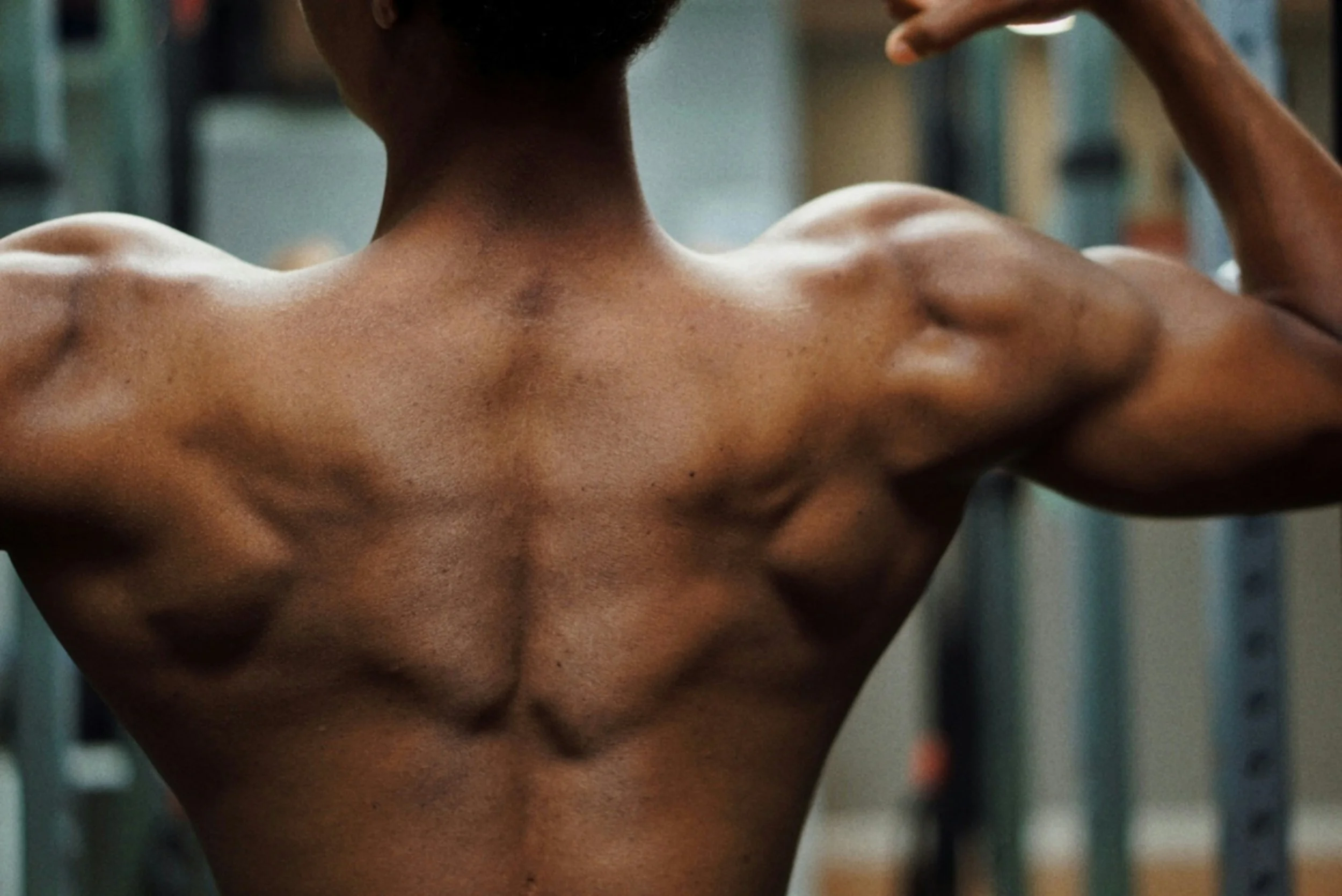
The shoulder is one of the most mobile joints in the body, and with that mobility comes the need for stability. That balance is largely controlled by a group of muscles known as the rotator cuff. Whether you're lifting weights, throwing a ball or simply reaching overhead, your rotator cuff is working behind the scenes to keep your shoulder moving smoothly.
What is the rotator cuff?
The rotator cuff is made up of four muscles that surround the shoulder joint: the supraspinatus, infraspinatus, subscapularis and teres minor. These muscles start on the shoulder blade (scapula) and attach to the top of the upper arm bone (humerus) through tendons.
What does the rotator cuff do?
The primary role of the rotator cuff is to stabilize and center the humerus in the glenoid fossa (shoulder socket) during movement. It also assists with rotating the shoulder, lifting the arm, and controlling shoulder motion during sports and daily activities.
Rather than being large power muscles, the rotator cuff muscles act more like dynamic stabilizers, keeping the shoulder joint aligned while larger muscles like the deltoid generate movement.
Rotator cuff muscles and their functions
| Muscle | What it does |
|---|---|
| Supraspinatus | Initiates shoulder abduction (lifting the arm away from the body), is active for roughly the first 30 degrees of arm elevation, and assists the deltoid throughout overhead movement |
| Infraspinatus | Externally rotates the shoulder (turning the arm outward) and plays a key role in stability during throwing and overhead motions |
| Teres minor | Assists with external rotation and works closely with the infraspinatus |
| Subscapularis | Internally rotates the shoulder (turning the arm inward); the largest and strongest rotator cuff muscle |
More of a visual learner? This anatomy video gives a clear overview.
Common rotator cuff injuries
Rotator cuff tendinopathy
Tendons connect muscle to bone. When a tendon becomes irritated, overloaded or degenerative over time, it can develop tendinopathy. Common causes include repetitive overhead activity, poor load management, sudden increases in training or activity, and age-related tendon changes. Symptoms may include pain, stiffness or weakness, but not always.
Rotator cuff tears
A rotator cuff tear happens when one of the tendons partially or fully separates from the bone. The supraspinatus tendon is the most commonly torn, and tears can occur from trauma or gradually over time. Importantly, tears don't always cause pain.
- Partial-thickness tear: the tendon is damaged but still attached
- Full-thickness tear: the tendon is completely detached from the bone
Many people, especially as they age, have rotator cuff tears without knowing it, a reminder that pain and tissue damage don't always match. If you're weighing treatment options for a tear, see operative vs. non-operative treatment of rotator cuff tears, or read about shoulder pain at night.
Final thoughts
The rotator cuff is essential for shoulder health, stability and performance. Understanding how it works, and recognizing that pain doesn't always mean damage, can help guide smarter training, rehab and recovery decisions.
Experiencing shoulder pain, weakness or limited motion? A physical therapist can figure out what's going on and guide you to the right plan, whether that's strengthening, load modification or further medical evaluation.
book a sessionthe takeaway
The rotator cuff is four muscles, the supraspinatus, infraspinatus, teres minor and subscapularis, that keep the upper arm centered in the shoulder socket. Tendinopathy and tears are common, but they don't always cause pain, so symptoms and scans alone don't tell the whole story.
Frequently asked questions
What are the four rotator cuff muscles?
The supraspinatus, infraspinatus, subscapularis and teres minor. They start on the shoulder blade and attach to the top of the upper arm bone through tendons.
What does the rotator cuff do?
Its main job is to stabilize and center the upper arm bone in the shoulder socket during movement. It also helps rotate the shoulder, lift the arm and control shoulder motion.
Which rotator cuff tendon tears most often?
The supraspinatus tendon is the most commonly torn. Tears can happen from trauma or gradually over time.
Does a rotator cuff tear always hurt?
No. Many people, especially as they age, have rotator cuff tears without knowing it, because pain and tissue damage don't always match.