
The Truth About Fascia: Can You Really Break It Up?
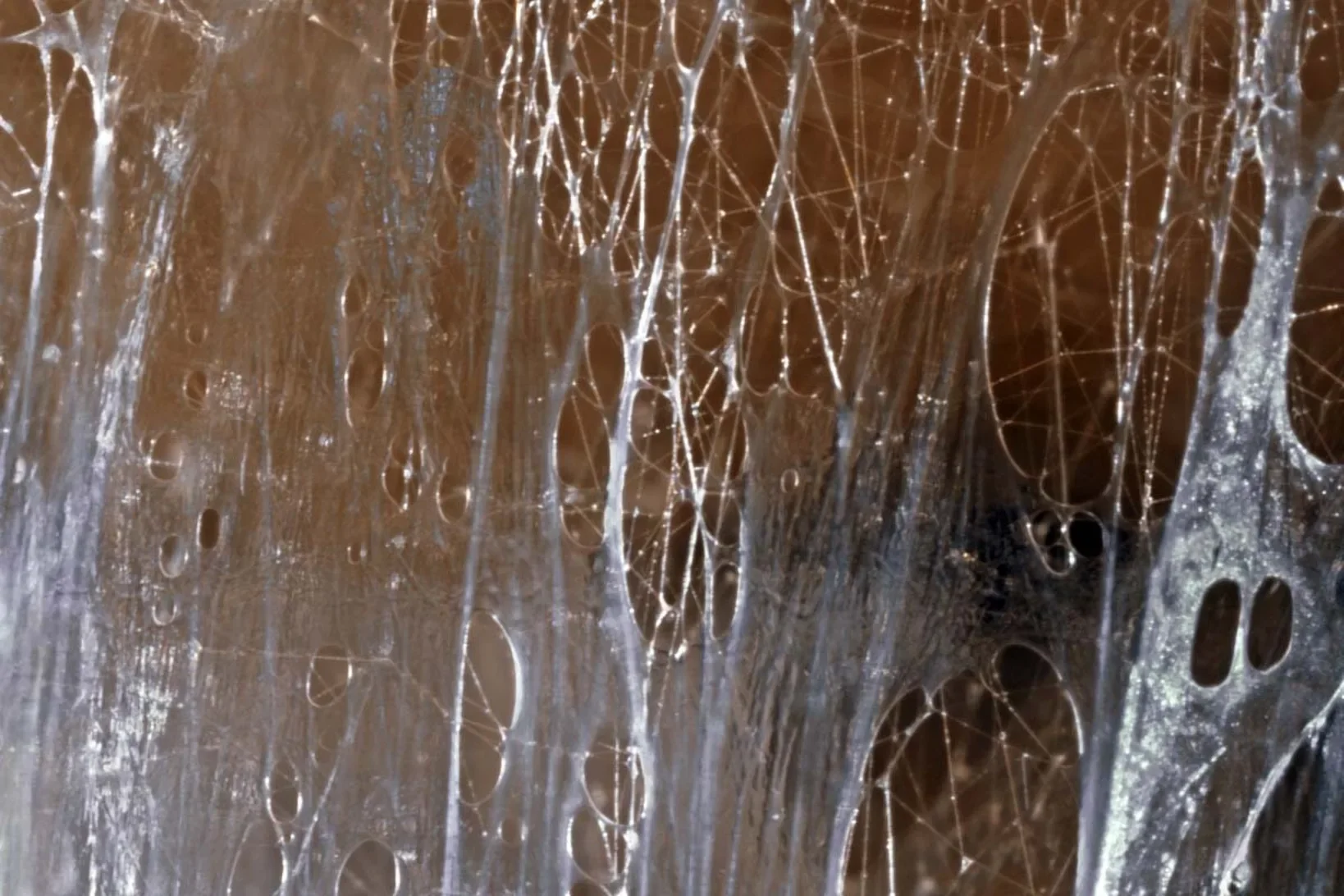
Over the past decade, fascia has become a buzzword in fitness, rehabilitation and alternative therapy circles. You've probably heard it mentioned during massage, foam rolling or cupping, often with claims that these techniques "break up fascia," release adhesions or fix muscle tightness. But can we really change fascia with our hands or tools? Do adhesions from normal activity actually exist? And do we need to "fix" fascia to relieve pain? Here's what the science actually says, and how physical therapy truly helps.
What is fascia?
Fascia is a thin, strong, flexible layer of connective tissue that surrounds and interconnects:
- Muscles
- Nerves
- Blood vessels
- Organs
It is made primarily of collagen and elastin fibers suspended in a fluid-rich ground substance. Fascia helps maintain structural integrity, supports load transfer and allows tissues to glide smoothly across one another.
Fascia is living, adaptable and responsive to mechanical forces, much like muscles, tendons and bones.
What happens to fascia after injury?
In rehab settings, it's commonly suggested that injuries create myofascial adhesions, abnormal fibrous connections between muscle and fascia that limit mobility and cause pain. True fascial adhesions and scar tissue can form after:
- Traumatic injury
- Surgery
- Significant tissue damage
However, research shows little evidence that adhesions form from:
- Non-traumatic injuries
- Overuse
- Repetitive stress
- "Bad posture"
- Everyday movement patterns
Scar tissue formation is a normal, healthy part of healing that remodels and matures over time. It does not automatically cause pain or long-term mobility issues.
Can you "break up" fascia? The science says no
There is no strong evidence that hands-on techniques can physically change the structure of fascia. Fascia is extremely strong, far tougher than what manual pressure can alter. Techniques like these do not break up adhesions or remodel fascia in the literal sense:
- Foam rolling
- Massage
- Cupping
- Manual therapy
- Scraping tools
So why do these treatments feel good or improve mobility? Because they affect the nervous system, not the fascia itself.
How physical therapy actually helps with "fascial issues"
Even if we can't mechanically break fascia, physical therapy plays a crucial role in improving pain, stiffness and movement.
1. Load and movement re-education
Gradual, controlled loading helps fascia and surrounding tissues adapt over time. This improves resilience, mobility and functional performance.
2. Improving tissue glide (without breaking anything)
Manual therapy can temporarily improve:
- Local circulation
- Hydration of tissues
- Sensory feedback
- Perceived stiffness
This can make tissue layers feel like they move better, even without structural changes.
3. Pain modulation
Touch, pressure and movement influence the brain's pain-processing centers. This can reduce:
- Pain intensity
- Protective muscle tension
- Movement avoidance
Pain relief often comes from nervous system changes, not mechanical changes.
4. Patient education
Understanding how the body truly works reduces fear and improves outcomes. Good physical therapy shifts the narrative from "your fascia is stuck" to:
- Your tissues are adaptable
- Movement is safe
- Pain does not equal damage
This empowers patients and promotes long-term recovery.
A better way to think about fascia
Instead of imagining fascia as cling wrap that becomes tangled and needs aggressive "breaking," think of it as a living fabric that adapts to how you move, load and recover. When therapists use touch or mobilization, they are primarily influencing:
- Sensitivity
- Movement confidence
- Blood flow
- Coordination
- Tissue hydration
They are not tearing fascia apart. And that's good news, because lasting change doesn't require painful treatments. It requires smart loading, consistent movement and nervous system reassurance.
Final thoughts
Fascia is fascinating, but it's often misunderstood. The good news? You don't need to "break" tissue to feel better. With the right education, movement strategies and guided loading, your body can adapt, recover and become more resilient. Physical therapy helps, just not in the way many people think.
Told your fascia is "stuck"? Let's build a plan based on movement and smart loading.
book a sessionthe takeaway
Movement heals. Understanding empowers. And fascia is far from fragile. You don't need to "break up" tissue to feel better; guided loading and consistent movement help your body adapt.
Frequently asked questions
Can foam rolling break up fascia?
No. There is no strong evidence that foam rolling, massage, cupping or scraping tools physically change the structure of fascia. Their benefits come from effects on the nervous system, not the fascia itself.
Do fascial adhesions really exist?
True adhesions and scar tissue can form after traumatic injury, surgery or significant tissue damage. Research shows little evidence that they form from overuse, repetitive stress, "bad posture" or everyday movement.
Why does massage feel good if it doesn't change fascia?
Touch and pressure influence the brain's pain-processing centers and can temporarily improve local circulation, tissue hydration, sensory feedback and perceived stiffness.
Is scar tissue bad for you?
No. Scar tissue formation is a normal, healthy part of healing that remodels and matures over time. It does not automatically cause pain or long-term mobility issues.
References
Bordoni B, Mahabadi N, Jozsa F. Anatomy, fascia. StatPearls. StatPearls Publishing.
Hodges J. Myth busting adhesions. Physio Network. 2020.
Ingraham P. Does fascia matter? PainScience.com.
Lehman G. Fascia science: stretching the power of manual therapy. GregLehman.ca. 2012.