
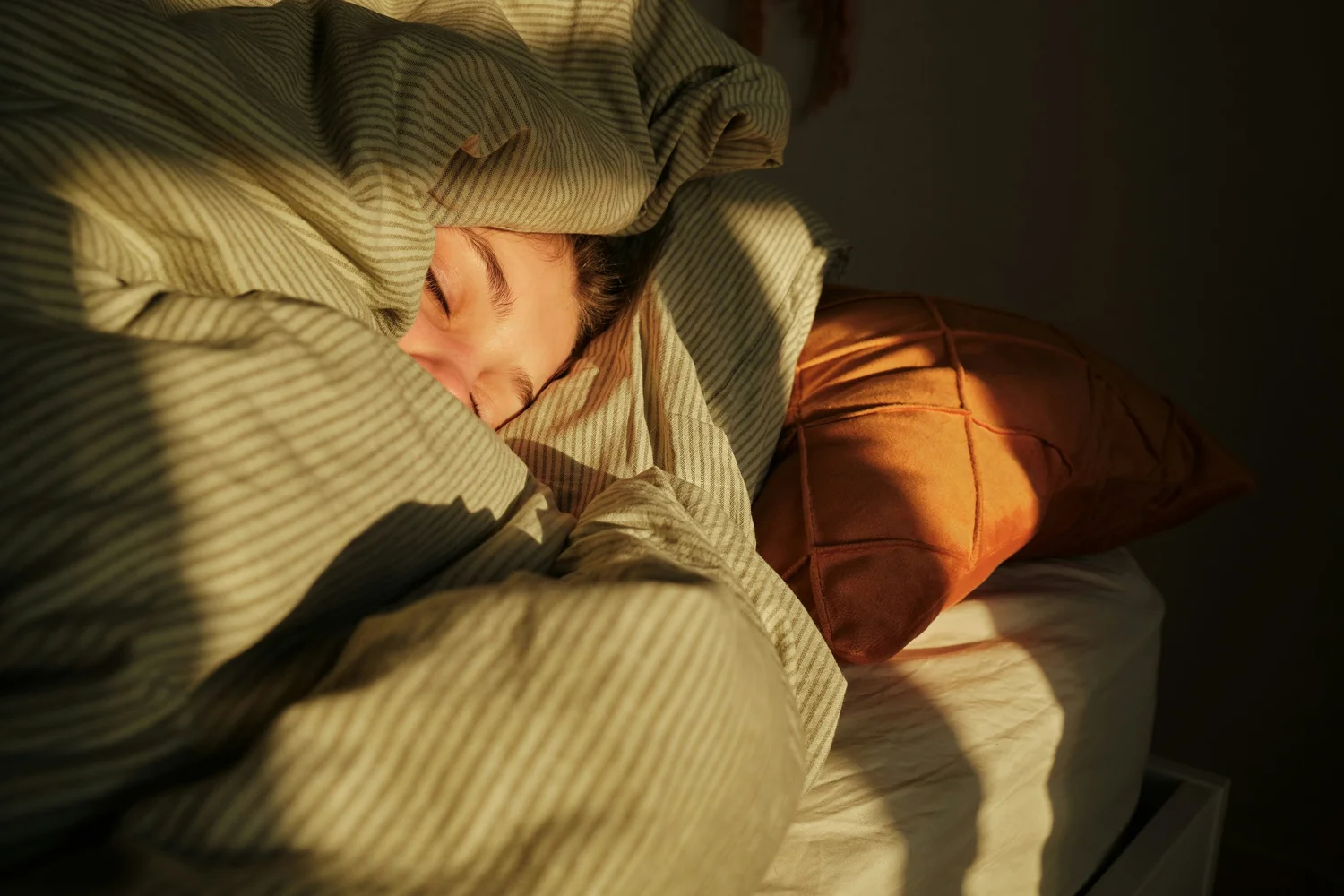
When you're recovering from an injury and working on returning to sport, it's easy to focus on the obvious things: building strength, improving range of motion, challenging stability, and increasing flexibility.
But while it may not feel as productive as a workout or as structured as a rehab routine, sleep can be just as important a piece of recovery.
Sleep's role in muscle recovery
Research shows that sleep plays a direct role in muscle repair and recovery. During sleep, the body increases anabolic processes (like growth hormone activity) that help repair damaged tissue and support adaptation to training. There's also evidence that extending sleep can improve recovery markers, performance, and even reduce pain sensitivity, all key factors when you're trying to heal and get back to activity. If you're not sleeping enough, you're essentially limiting how much benefit you get from the rehab work you're already putting in.
Why everything hurts more when you're tired
Sometimes pain feels elevated after a poor night of sleep, and that's not just perception. Studies have shown that sleep deprivation increases pain sensitivity, especially after muscle stress or injury, while recovery sleep has been shown to restore pain thresholds and improve how your body processes discomfort. This can create a negative cycle: poor sleep leads to higher pain sensitivity, which makes rehab sessions harder, which slows progress and recovery.
Sleep and injury risk
A growing body of research suggests that shorter sleep duration is associated with a higher risk of sports injuries, particularly when combined with high training loads. More broadly, sleep affects reaction time, coordination, and physical performance, all of which matter when you're returning to activity. Even if your strength and mobility are improving, adequate sleep puts you in a better position to safely increase intensity.
Make sleep part of your recovery plan
Sleep is where your body rebuilds tissue, regulates pain, and adapts to the work you're doing. It influences how fast you heal, how you feel during rehab, and how safely you return to activity. So if you're investing time and effort into recovery, make sure sleep is part of the plan. Treat these as recovery tools, not just lifestyle tips:
- Aim for 7–9 hours of sleep per night.
- Keep a consistent sleep schedule.
- Limit screens before bed.
- Set the environment: dark, cool, and quiet.
Rehab feeling stalled no matter how hard you work? Kauno's physical therapists build recovery plans that account for the whole picture, sleep and load included.
book a sessionthe takeaway
Sleep isn't downtime from recovery; it's when recovery happens. Under-sleeping limits the return on all the rehab work you're already doing.
Frequently asked questions
How does sleep affect injury recovery?
During sleep the body increases anabolic processes like growth hormone activity, which help repair damaged tissue and support adaptation. Extending sleep can improve recovery markers, performance, and even pain sensitivity.
Does poor sleep really make pain worse?
Yes. Sleep deprivation increases pain sensitivity, especially after muscle stress or injury, while recovery sleep helps restore pain thresholds. Poor sleep can create a cycle of more pain and harder rehab.
Can not sleeping enough increase my injury risk?
Research suggests shorter sleep duration is associated with a higher risk of sports injuries, particularly when combined with high training loads, partly because sleep affects reaction time and coordination.
How much sleep should I aim for?
Aim for 7–9 hours per night on a consistent schedule, limit screens before bed, and keep your sleep environment dark, cool, and quiet.
References
Charest, J., & Grandner, M. A. (2020). Sleep and athletic performance: impacts on physical performance, mental performance, injury risk and recovery, and mental health. Sleep Medicine Clinics, 15(1), 41–57. https://doi.org/10.1016/j.jsmc.2019.11.005
Chennaoui, M., et al. (2021). How does sleep help recovery from exercise-induced muscle injuries? Journal of Science and Medicine in Sport, 24(10), 982–987. https://doi.org/10.1016/j.jsams.2021.05.007
Stroemel-Scheder, C., & Lautenbacher, S. (2023). The effects of recovery sleep on experimental pain. The Journal of Pain, 24(3), 490–501. https://doi.org/10.1016/j.jpain.2022.10.009
Sleep deprivation and pain sensitivity. Sleep Medicine (2023), article S1389945723002150.
The association between sleep duration and sports injury risk: a review and meta-analysis. ResearchGate publication 397054174.