
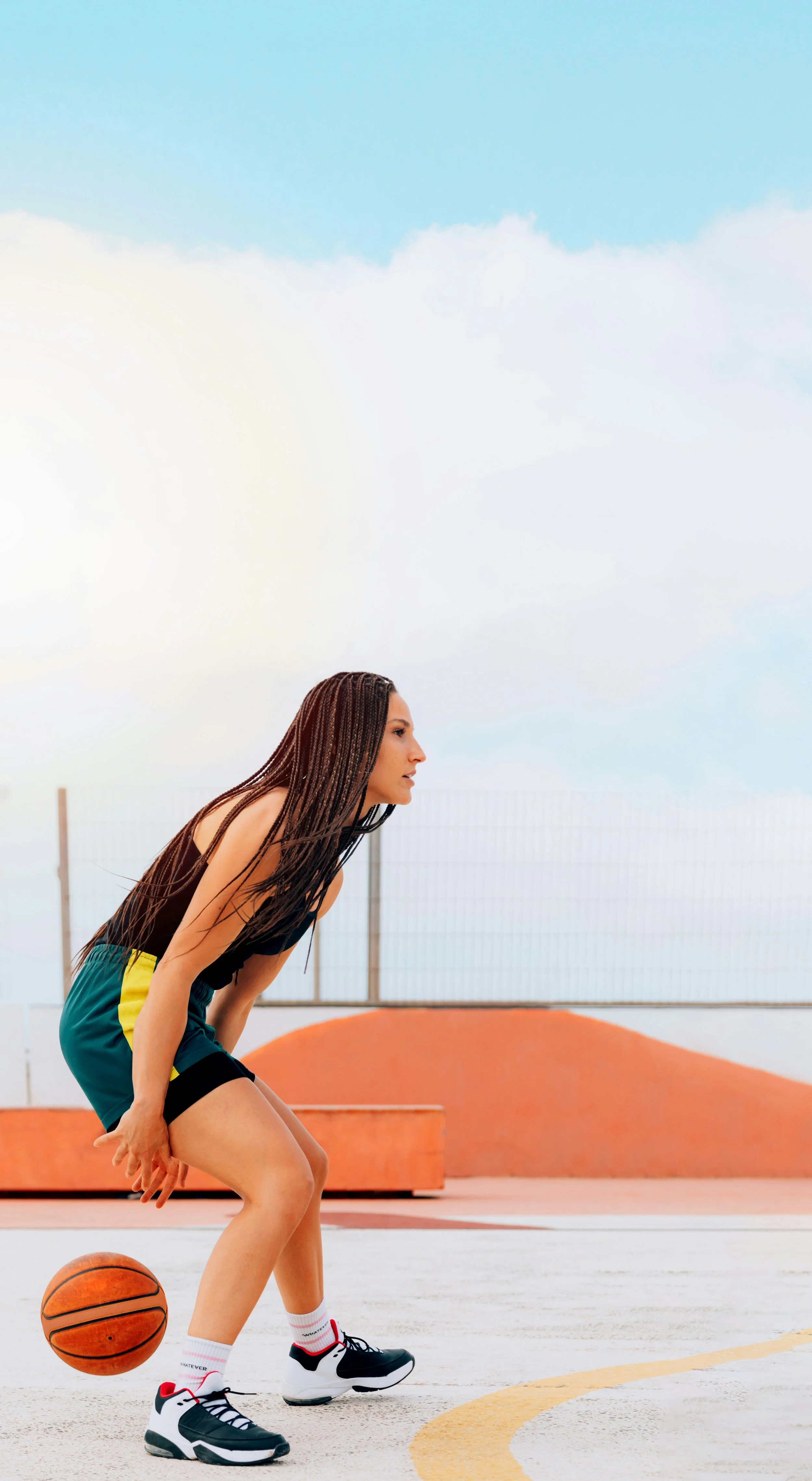
Basketball is a fast-paced, high-intensity sport that places significant stress on the lower body. Frequent changes of direction, repeated jumping and landing, and physical contact all contribute to a high injury rate, particularly at the ankles and knees.
Because of the time lost and the long-term consequences of these injuries, prevention has become a major focus for athletes, coaches and medical professionals.
The most common injuries in basketball
Most basketball injuries involve the lower extremities, with ankle sprains and anterior cruciate ligament (ACL) tears being the most common in both men's and women's basketball.
- Ankle sprains are the single most common injury
- ACL tears often mean long rehabilitation timelines and time away from sport
- Recurrent ankle sprains can lead to chronic ankle instability
Given how often these injuries happen and how much they cost, understanding what actually helps reduce risk is critical.
Do injury prevention programs work?
Injury prevention programs are widely promoted, but their effectiveness in basketball has produced mixed results. Some strategies are clearly beneficial, while others don't translate as well to the demands of the sport.
What works for preventing ankle sprains
Strong evidence supports prevention programs that emphasize static and dynamic balance, neuromuscular training and proprioceptive (joint position sense) training. These approaches have consistently been shown to reduce ankle sprains, especially repeat injuries.
What about bracing?
- Ankle braces are more effective than high-top shoes at reducing ankle injury risk
- Long-term brace use is debated, as some evidence suggests forces may shift to other joints
- Bracing may be best used as a temporary strategy, especially when returning to play
Importantly, prevention programs are more successful at reducing recurrent ankle sprains than at preventing first-time injuries. If you've already rolled an ankle, here's what to do after an ankle sprain.
Why ACL prevention is harder in basketball
ACL injury prevention programs have been less effective in basketball than in other multi-directional sports. The likely reason is basketball's unique movement demands, including frequent vertical jumping and landing, rapid deceleration and re-acceleration, and high volumes of single-leg and lateral movement.
Many ACL programs emphasize double-leg strength and valgus control, which may not adequately reflect basketball-specific demands. That said, lower-extremity strengthening and neuromuscular training still matter: they continue to support better athletic performance, lower ankle injury risk, and more efficient movement and control.
What you can do at home
You don't need a gym or specialized equipment to start. Here are two simple, effective exercises to improve strength and balance.
Single-leg Romanian deadlifts
Purpose: strengthens the hamstrings and glutes while improving single-leg balance.
- Stand tall with your feet together
- Hinge at the hips while extending one leg straight behind you
- Keep your back flat and your torso and extended leg in line
- Slowly return to standing and repeat
Lateral step-downs
Purpose: builds quad strength, glute activation and lateral hip stability.
- Stand on a step or box
- Slowly lower the opposite leg to lightly tap your heel on the floor
- Keep the stance knee aligned and the movement controlled
- Return to the starting position and repeat
Tip: start with a low step and increase the height gradually as strength and control improve.
Want to add these movements to your routine? Ask a Kauno physical therapist or performance coach to build them into your training. Ball up!
book a sessionthe takeaway
Ankle sprains and ACL tears are the most common basketball injuries. Balance and neuromuscular training are highly effective for preventing repeat ankle sprains, and while ACL prevention is more complex, strength and control still matter. Simple, consistent exercises can reduce injury risk.
Frequently asked questions
What is the most common basketball injury?
Ankle sprains are the single most common injury in both men's and women's basketball, followed in impact by ACL tears, which often mean long rehab and time away from the sport.
How can I prevent ankle sprains in basketball?
Programs focused on static and dynamic balance, neuromuscular training and proprioception have strong evidence, especially for preventing repeat sprains. Ankle braces also help more than high-top shoes.
Are ankle braces better than high-top shoes?
Yes. Ankle braces are more effective than high-tops at reducing ankle injury risk, though long-term brace use is debated, so bracing may be best as a temporary strategy.
Why are ACL prevention programs less effective in basketball?
Basketball involves frequent vertical jumping, rapid deceleration and lots of single-leg and lateral movement, while many ACL programs emphasize double-leg strength and valgus control.