
ACL Graft Options: BPTB, Hamstring & Quadriceps Compared
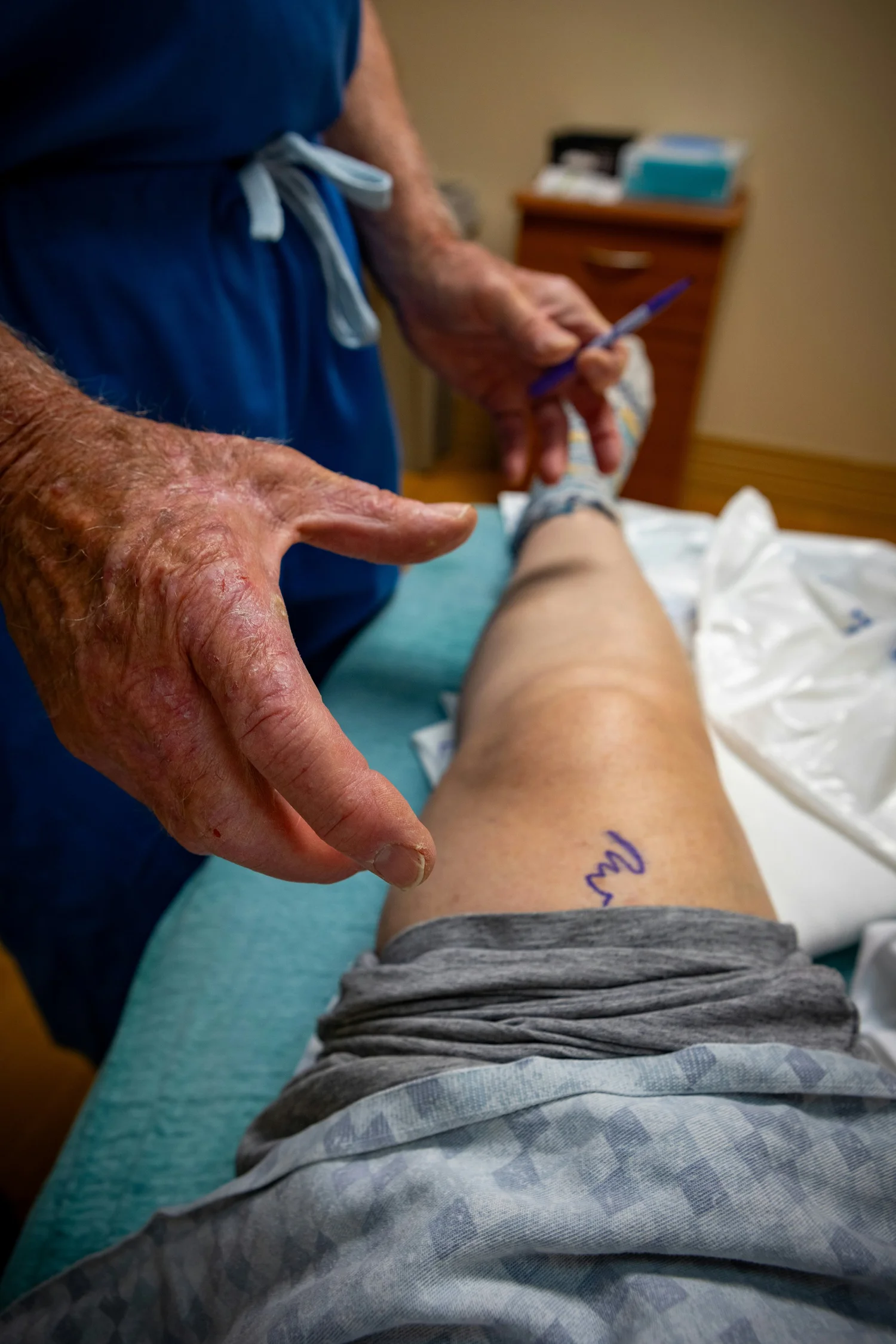
If you tear your ACL (anterior cruciate ligament) and need surgery, your surgeon has to rebuild the ligament with a new piece of tissue called a graft — and the graft they choose can shape your knee stability, your recovery, and your odds of a repeat injury.
What is an ACL graft?
When someone tears their ACL and needs surgery, the surgeon has to replace the torn ligament with a new piece of tissue called a graft. The three most common types of grafts are:
- Bone-patellar tendon-bone (BPTB)
- Hamstring tendon (HT)
- Quadriceps tendon (QT)
Autograft or allograft?
These grafts usually come from your own body (called an autograft), but sometimes they come from a donor (called an allograft). Donor grafts are more commonly used in older or less active people because they have a higher chance of failure in younger, more active individuals. That's why the American Academy of Orthopaedic Surgeons recommends using autografts for younger and more active patients.
Comparing your graft options
Each graft option has its pros and cons.
Bone-patellar tendon-bone (BPTB) autografts
BPTB autografts are known for providing excellent knee stability and have one of the lowest failure rates — about 1.16% per year. However, they're more likely to cause pain in the front of the knee, especially when kneeling, and may lead to long-term problems with the kneecap. There's also a small risk of kneecap fracture or temporary loss of thigh strength.
Hamstring tendon (HT) autografts
Hamstring tendon autografts are popular because they usually cause less front knee pain and fewer issues at the site where the graft is taken. But they have a slightly higher failure rate — around 1.7% per year — and may lead to a bit more knee instability, particularly with twisting movements. Some strength loss when bending the knee can happen after surgery, but this typically improves within a year.
Quadriceps tendon (QT) autografts
Quadriceps tendon autografts are becoming more common due to their very low failure rate of about 0.72% per year. They tend to cause less pain after surgery compared to BPTB grafts and offer similar or better knee stability than hamstring grafts. Any loss of strength is usually mild and temporary.
Choosing the right graft for you
Ultimately, the best graft choice depends on your age, activity level, and personal goals. Surgeons aim to match the graft type to what will give the best long-term results for each individual. Whichever graft you and your surgeon choose, a structured rehabilitation plan and progressive strength training are what carry you back to full activity.
Facing ACL surgery? Our physical therapists can help you prepare before surgery and rebuild strength, stability, and confidence afterward.
book a sessionthe takeaway
There's no single best ACL graft. The right choice balances failure rate against potential side effects, matched to your age, activity level, and goals.
Frequently asked questions
What is an ACL graft?
When you tear your ACL and need surgery, the surgeon replaces the torn ligament with a new piece of tissue called a graft. The three most common types are bone-patellar tendon-bone (BPTB), hamstring tendon (HT), and quadriceps tendon (QT).
What is the difference between an autograft and an allograft?
An autograft comes from your own body, while an allograft comes from a donor. Donor grafts are more commonly used in older or less active people because they have a higher chance of failure in younger, more active individuals.
Which graft has the lowest failure rate?
Among the options described here, the quadriceps tendon autograft has the lowest failure rate at about 0.72% per year, followed by the BPTB autograft at about 1.16% per year and the hamstring tendon autograft at around 1.7% per year.
Which graft is recommended for younger, active patients?
The American Academy of Orthopaedic Surgeons recommends using autografts (grafts taken from your own body) for younger and more active patients, because donor grafts have a higher chance of failure in this group.
What are the downsides of a BPTB graft?
BPTB autografts are more likely to cause pain in the front of the knee, especially when kneeling, and may lead to long-term problems with the kneecap. There is also a small risk of kneecap fracture or temporary loss of thigh strength.